Nob Hill Condo Guide: Comparing Condos and Co-Ops
July 16, 2026
July 16, 2026
Buying in Nob Hill can feel simple at first glance until you realize two similar-looking buildings may offer very different ownership, rules, and long-term costs. If you are comparing condos and co-ops here, you are not just choosing a unit. You are also choosing a building structure, a shared financial setup, and in many cases, a piece of San Francisco history. This guide will help you understand how Nob Hill condos and co-ops work, what to review before you write an offer, and what details can shape value in this market. Let’s dive in.
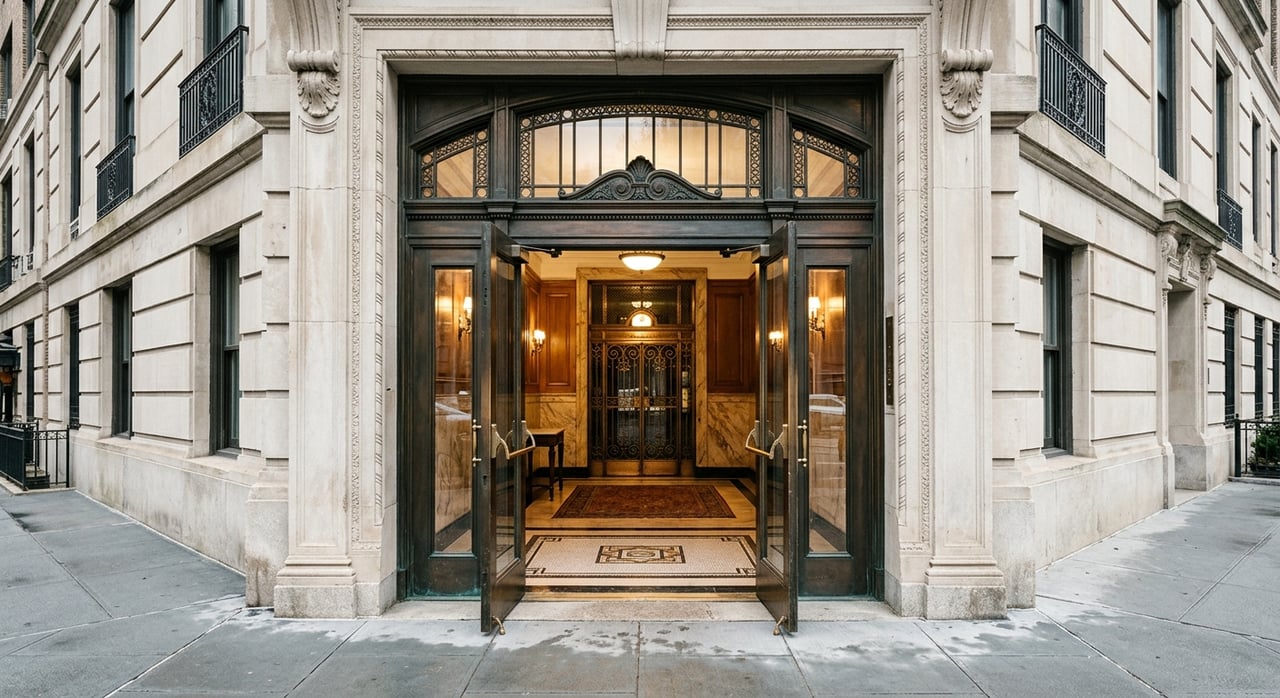
Nob Hill has a distinctive supply of classic multi-unit buildings, especially in and around the Lower Nob Hill Apartment Hotel District. Much of this building stock was developed between 1906 and 1925, and many properties reflect early brick construction, Art Deco details, historic ornament, and other period design influences.
For you as a buyer, that means the housing search is often about more than square footage and finishes. You may be looking at buildings with historic character, shared systems, and preservation considerations that can affect maintenance, renovation plans, and monthly costs.
San Francisco Planning notes that landmark and historic-district designations are intended to protect significant cultural resources. Nob Hill and nearby central neighborhoods also have notable concentrations of designated landmarks. In practice, that can shape what changes are allowed, especially for exterior work.
In California, a condominium generally means you own a separate unit in space along with an undivided interest in the common areas. That setup often feels familiar to buyers because ownership is tied to a deeded unit plus shared responsibility for the building.
You will usually encounter an HOA structure with dues, rules, budgets, and reserves. The day-to-day ownership experience is often centered on your unit plus the health of the association that maintains the common parts of the property.
A stock cooperative works differently. The property is owned by a corporation, and buyers typically purchase shares that come with an exclusive right to occupy a specific unit or portion of the property.
That means your interest is usually tied to shares and occupancy rights rather than a deed to an individual unit. In practical terms, co-op ownership can feel more project-centered because the building’s overall financial condition and governance often play a bigger role in the ownership experience.
One of the biggest mistakes buyers make is assuming a building’s exterior tells them what they are buying. California guidance is clear that legal structure is not obvious from appearance alone.
A building that looks like a typical apartment house could actually be a condo, a co-op, or another common-interest form. That is why the title structure and governing documents matter so much early in your review.
Nob Hill’s classic inventory often includes 3- to 7-story multi-unit residential buildings with older architectural details and shared entry systems. Some properties are purely residential, while others include ground-floor retail or commercial space with residences above.
That mixed-use element matters because it can affect how you evaluate the building. If you are comparing two properties, one in a purely residential building and one in a mixed-use building, the ownership experience and lender review may not feel identical.
You may also notice that convenience features can vary widely from building to building. Elevator access, parking, roof decks, doorman service, top-floor placement, corner exposure, and natural light often carry real weight in this neighborhood.
California requires sellers of common-interest properties to provide governing documents before transfer. For you, that means the document package is not just paperwork. It is a key part of understanding what you are buying.
Focus first on the CC&Rs, bylaws, and related rules. These documents help explain how the property is run, what owners can and cannot do, and how decisions are made.
In older Nob Hill buildings, reserve strength deserves close attention. California law requires an annual budget report that includes a pro forma operating budget and a reserve summary based on the most recent reserve study.
That reserve summary should describe major components, their remaining useful life, and estimated replacement costs. If reserves are thin in an older building, you may be more exposed to special assessments or delayed maintenance.
Monthly dues are only part of the story. You should also review whether there are special taxes or assessments, recent increases, or discussion of future building work.
A building with lower dues is not automatically the better value. If maintenance has been deferred or reserves are weak, lower dues today can sometimes mean larger costs later.
Rules can affect how well a property fits your plans. Review rental restrictions, pet rules, renovation approval requirements, and any other occupancy or use policies that may matter to your lifestyle or investment goals.
If you are hoping to update a kitchen, change flooring, or make other improvements, understanding the approval process upfront can save time and frustration.
The California Attorney General notes that HOAs enforce rules and collect dues through governing documents and board governance. Buyers should also consider insurance coverage and any pending or recent special assessments.
That is especially important in older buildings, where major systems and shared components may require more ongoing planning and capital.
If a building is designated as a landmark or sits within a historic district, exterior changes may require additional city review. San Francisco Planning says exterior work in a designated landmark or historic district can require Certificate of Appropriateness review.
The city’s permit-to-alter rules also require Historic Preservation Commission review for many applications involving significant or contributory buildings or buildings within conservation districts. In simple terms, visible exterior changes may take longer and may need to meet preservation standards.
Historic context does not automatically mean you cannot improve a property. It does mean you should be realistic about scope, timing, and building approvals, especially if your plans affect shared systems or visible architectural elements.
For buyers who want to find value and improve it over time, this is where careful planning matters. In Nob Hill, the best opportunities are often the ones where character, condition, and building rules all line up with your goals.
Co-ops can be more sensitive from a financing standpoint because lenders often evaluate the project as a whole. Guidance from major lending sources shows that reserves, maintenance fees, management experience, and overall project condition can all matter.
That does not make co-ops a poor choice. It does mean you should pay close attention to the building’s financial health and governance, because the strength of the project may influence both financing and long-term stability.
This is also true, though often to a different degree, in condos. In an older Nob Hill building, the shared financial picture is part of the property’s value story.
Current market snapshots point to an active but nuanced market. Redfin reported a Nob Hill median sale price of $1.53 million over the three months ending May 2026, with homes averaging about 30 days on market.
Zillow’s Nob Hill home-value index was $1.25 million as of May 31, 2026, with 40 homes in inventory and a median list price of $1.41 million. Redfin’s Nob Hill condos page showed 11 condos for sale at a median listing price of $1.9 million.
These figures are best used as directional snapshots, not interchangeable valuations. Different data sources use different methods, and in a neighborhood like Nob Hill, building quality and features can create wide pricing swings.
In this submarket, buyers often pay up for more than size alone. Views, top-floor or corner placement, stronger natural light, elevator access, parking, roof decks, doorman service, and updated kitchens and baths often stand out.
That makes sense in Nob Hill. The steep topography, older building stock, and wide variation in access and outlook mean two similarly sized homes can feel very different in daily life.
A well-funded association can also support pricing, while a walk-up building with deferred maintenance may trade differently even if the unit itself looks appealing. In other words, value here often comes from a combination of unit features and building fundamentals.
Before you move forward on a Nob Hill condo or co-op, it helps to keep your review focused:
Buying in Nob Hill often means balancing character, location, financial details, and future plans. A beautiful unit in a classic building can be a great fit, but only if the ownership structure and building health match your goals.
That is why a buyer-friendly process matters here. When you understand the documents, the building, and the tradeoffs behind the list price, you can make a more confident decision and spot value that others might miss.
If you are exploring Nob Hill condos or co-ops and want practical guidance on building review, pricing, and renovation potential, Minna Real Estate can help you navigate the details with a clear local strategy.
Stay up to date on the latest real estate trends.
Minna Millare combines San Francisco‑native insight with investment‑savvy strategies, remodeling expertise, and a client-centered approach. Let her guide you step-by-step through California’s dynamic market, ensuring smart decisions and personalized results.