In the Mission, a Condo's Building Size Sets the Rules You Inherit
November 5, 2026
November 5, 2026
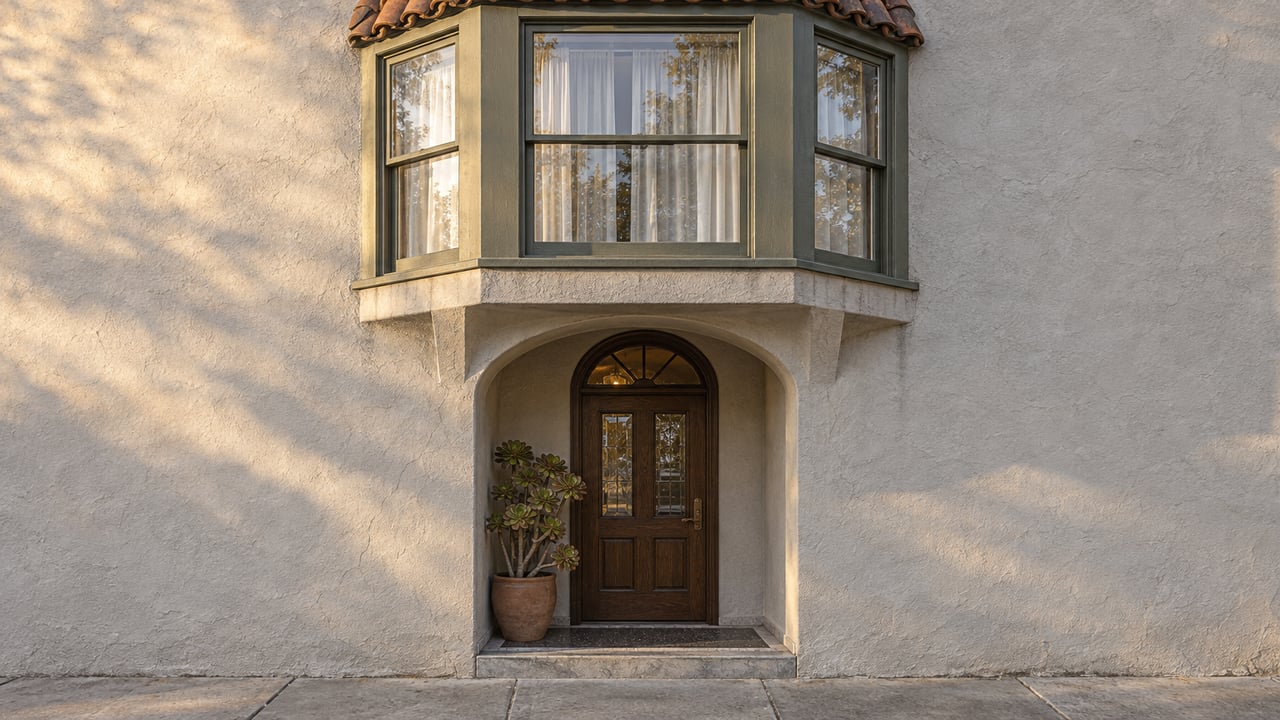
The Mission District has a large share of homes in small buildings, while most new condos citywide arrive in larger projects. That difference shapes the choices facing condo buyers in the neighborhood.
Fannie Mae lists critical repairs, significant deferred maintenance and certain safety-related litigation among the conditions that can make a project ineligible.
HUD offers Single-Unit Approval and reviews insurance, project finances and owner occupancy.
California's SB 326 addresses inspections of wood-supported decks, balconies, stairs and walkways in condo buildings.
San Francisco Planning's 2025 Housing Inventory, published in April 2026, counts 30,090 housing units in the Mission at the end of 2025. Of those, 8,845 are in buildings of two to four units and 5,620 are in buildings of five to nine. Together that is about 14,465 homes, roughly 48% of the neighborhood. The count covers rentals and owned homes alike, so it describes the buildings, not who owns them. Next door in Mission Bay, nearly all of the roughly 10,900 units in the same table are in buildings of 20 or more units.
New condos come from the other end of that range. From 2021 through 2025, the city recorded 10,759 new condominium units citywide. Of those, 10,416 were in buildings of 20 or more units, and only 342 were in every smaller building type combined. In 2025 alone, 2,975 of the 2,989 new condo units were in 20-plus-unit buildings. Fourteen were in buildings of two to four units, and none were in buildings of five to 19.
The Mission's typical building type, the two-to-nine-unit flat building, is close to absent from San Francisco's new condo supply. Whatever small-building condos the Mission has now, it got mostly through another route.
That other route is converting an existing building to condominiums. Planning's inventory explains that since 1983, San Francisco has limited rental-to-condo conversions to 200 units a year and to buildings of six or fewer units.
In 2025, the city recorded 50 conversion units citywide, 74% below the 10-year average of 194. From 2021 through 2025, 386 of the 451 recorded conversions were in two-unit buildings. Four-unit buildings added 32, three-unit buildings 15, and five- or six-unit buildings 18.
Put those two tables beside the Mission's housing stock and the supply picture is clear. Condos in small Mission buildings are a stock that changes slowly, added to by roughly 70 new units and 90 conversions a year on average across the entire city from 2021 through 2025, while new condos arrive in towers elsewhere. A buyer who wants a condo in a three-to-six-unit Mission building is choosing from units that already exist.
Boards can fund reserves through higher dues, special assessments or both.
Lenders are tightening their side of the same question. In a March 18, 2026 lender letter, Fannie Mae said it has seen a link between underfunded reserves and critical repairs. The letter also raised the minimum replacement-reserve allocation from 10% to 15% of budgeted assessment income for loan applications dated on or after January 4, 2027, when the lender uses a full project review. Reserves still affect what owners pay when a roof or a back stair wears out.
The cost exposure grows with building size and age. In June 2025, The San Francisco Standard reported on The Village at Petrini Place, a 134-unit Western Addition complex, where monthly dues had risen from $500 to $1,100 over 15 years. The building spent $600,000 on balcony-related work, and an insurance quote jumped from $98,000 to $964,000 after its pooled policy was canceled. That account is more than a year old and comes from one building outside the Mission. It shows how quickly a large association's costs can move.
Older towers carry another layer. The San Francisco Chronicle reported in November 2025 that the city's high-rise sprinkler ordinance covers 126 pre-1975 towers and roughly 9,800 units. Owners there face projected costs of $300,000 or more per unit and permit deadlines in January 2027. In a Mission flat building, roof, foundation and stair costs are divided among only a few owners.
A limited supply does not guarantee bidding on every unit, as one recent sale on the Mission's western edge shows. The Light House at 653 Dolores St. is a former church converted into four condo units in 2016. As the San Francisco Chronicle reported on October 6, 2026, one of its units sold for $6.65 million, about $150,000 below its $6.8 million asking price. The unit last sold for $6.1 million in 2016, a nominal gain of about 9% that comes out roughly 22% behind inflation. The city designated the church a landmark in September 2026.
That sale happened in a competitive market. The same Chronicle article reported that by August 2026, more than half of San Francisco's condos were selling above asking, with a citywide condo median of $1.23 million and sales up 11% from a year earlier. A four-unit building, a one-of-a-kind floor plan and a multimillion-dollar price narrowed the buyer pool. A limited supply of small-building condos only helps a seller when the unit also suits a wide range of buyers.
Documents about the building can help a buyer understand its condition and costs:
Reserves and repair costs can affect a renovation-minded buyer's budget.
This post is general information, not legal, lending or financial advice. Confirm how these rules apply to a specific building and loan with your lender, an HOA attorney or another qualified professional.
Are there new small condo buildings going up in the Mission? The city's 2025 inventory recorded 14 new condo units in two-to-four-unit buildings citywide that year, and none in five-to-19-unit buildings. Nearly all new condo supply is in buildings of 20 or more units.
If you're weighing a Mission condo in a flat building against a unit in a newer tower, Minna Real Estate can walk through the reserve study, inspection history and repair outlook with you and translate them into a renovation budget before you set a price.
Stay up to date on the latest real estate trends.

Minna Millare combines San Francisco‑native insight with investment‑savvy strategies, remodeling expertise, and a client-centered approach. Let her guide you step-by-step through California’s dynamic market, ensuring smart decisions and personalized results.