Everyday Life In San Francisco's Mission District
February 12, 2026
February 12, 2026
Thinking about the Mission District and wondering what daily life actually feels like? You hear about famous burritos, colorful murals, and sunny park days, but you also want a clear view of the tradeoffs. In this guide, you’ll get a grounded look at the vibe, housing, transit, parks, and practical details that shape everyday living here. By the end, you can decide if the Mission matches your lifestyle and goals. Let’s dive in.
The Mission blends busy city energy with pockets of quieter residential streets. Weekdays bring parents with strollers, commuters, and steady café traffic, especially at lunch. Nights and weekends are lively along Valencia, and around 16th and 24th streets, with a strong dining and nightlife scene. Near major corridors and Dolores Park, expect more activity and noise; interior blocks feel calmer but still urban.
Valencia Street is lined with cafés, boutiques, bakeries, and bars that stay active into the evening. Mission Street is a transit spine with mixed uses and steady foot traffic. Along 24th Street you’ll find dense neighborhood shopping, services, and long-standing community businesses. The area around Dolores Park draws big daytime crowds in nice weather, which adds to the fun and the noise.
You can walk to almost everything. Quick tacos, contemporary bakeries, specialty coffee, and new restaurants sit next to classic panaderías and markets. Small grocers and bodegas cover daily needs, while some residents head to larger supermarkets in other parts of the city for big shops. Banks, gyms, laundromats, and postal services cluster along the main corridors.
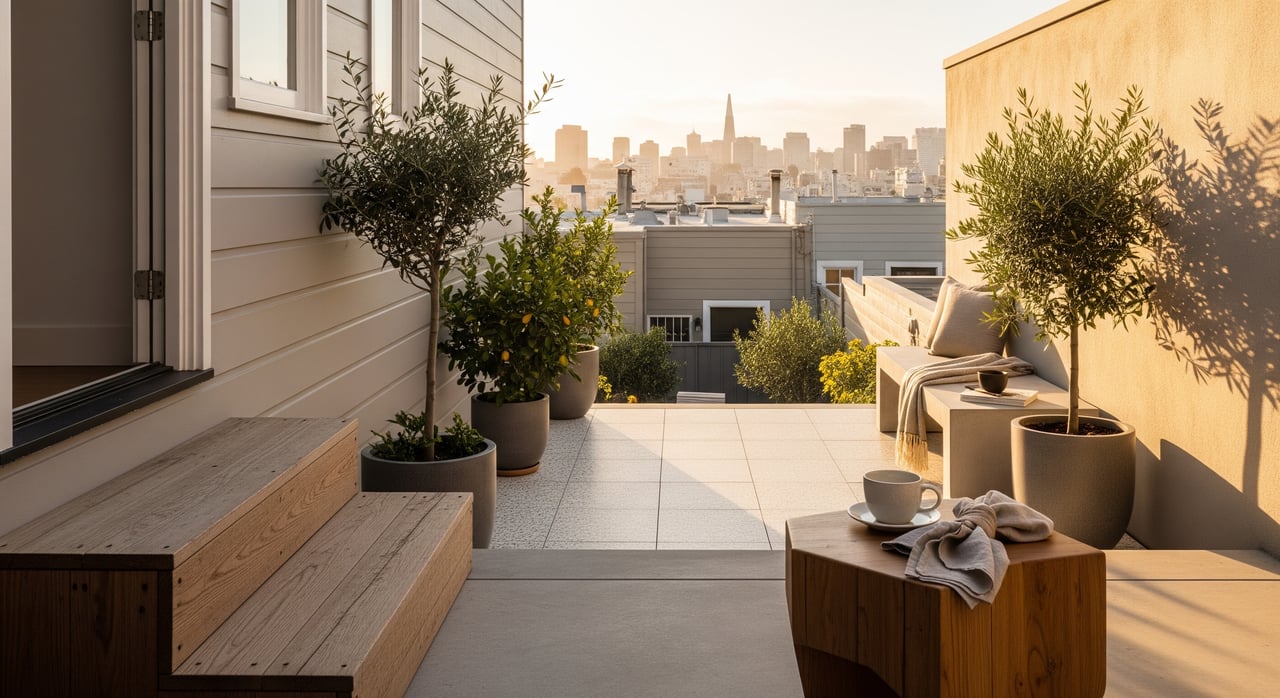
Mission Dolores Park is the neighborhood’s social lawn with sweeping city views and heavy weekend use. Precita Park and Garfield Square offer playgrounds, lawns, and local programming. For program updates and facilities across the city, check San Francisco Recreation and Parks for details and hours at San Francisco Recreation & Parks.
The Mission’s murals are part of daily life. Balmy Alley and Clarion Alley feature changing works that reflect community stories. Local arts spaces and cultural centers support classes, shows, and neighborhood events. You will see art on alley walls, in small galleries, and on utility boxes as you walk.
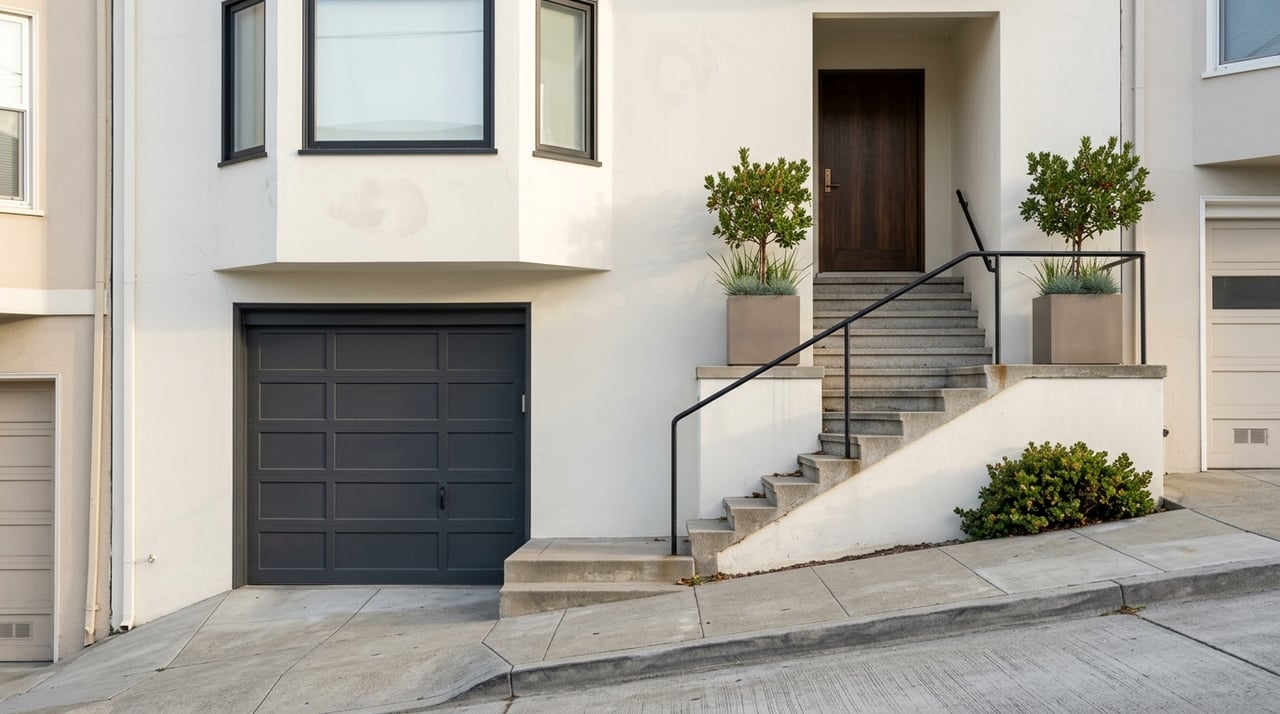
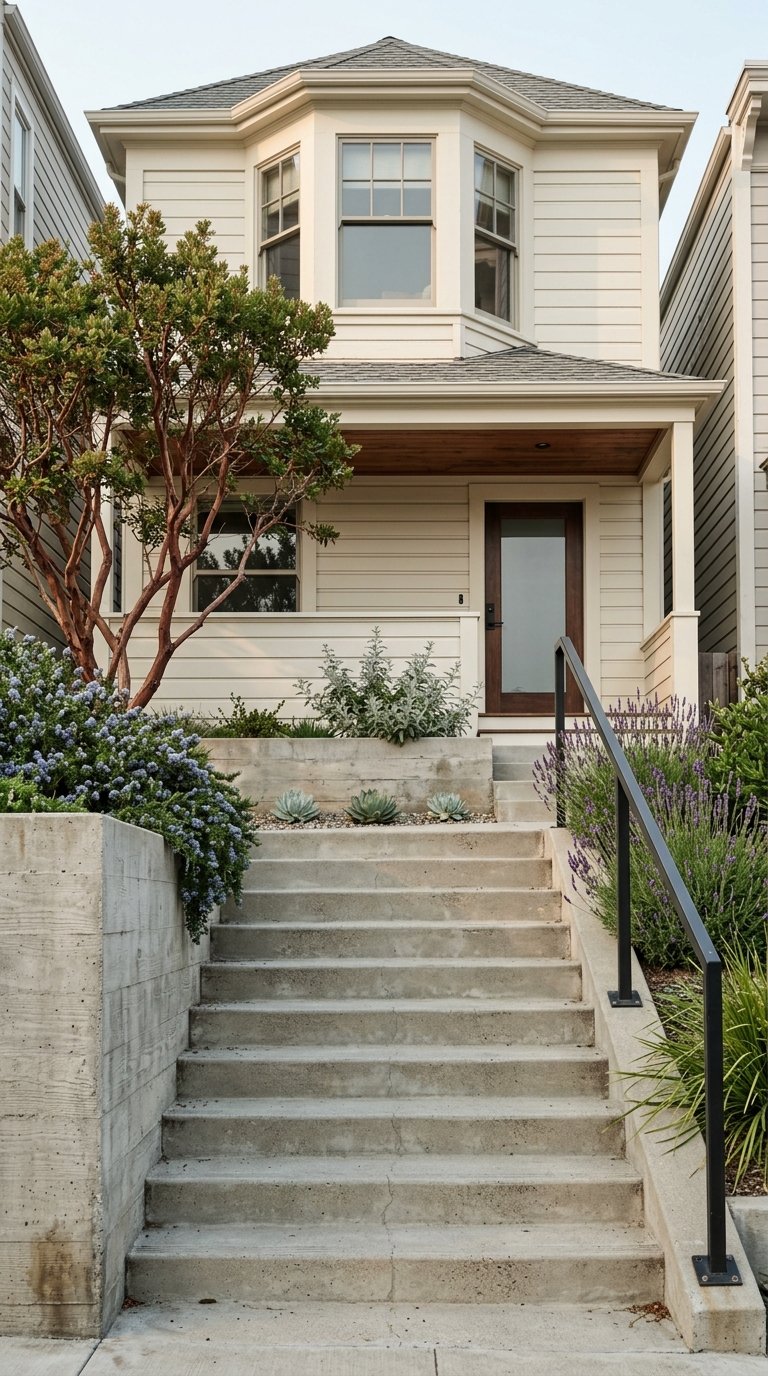
Housing in the Mission is mostly multi-unit buildings rather than single-family homes. You will see older Victorian and Edwardian flats, low-rise walk-ups, mid-rise apartments, and some newer infill. Prices and rents tend to be at or above the city median, and well-priced or renovated listings can move fast. Short-term rental rules and tenant protections shape the rental market, so it pays to understand the basics before you apply.
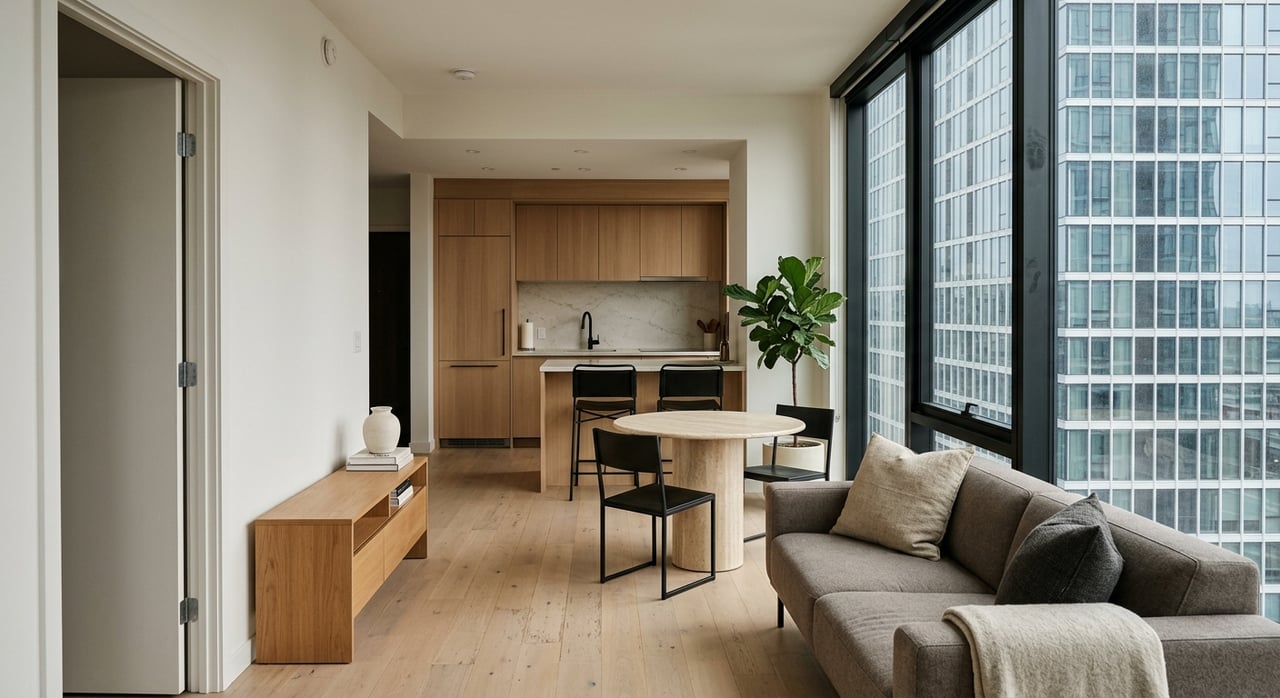
Many buildings predate modern seismic codes. Some have stairs and no elevator, compact kitchens, and historic details. Newer conversions and infill units may offer modern systems and elevators. If you are buying, ask about seismic upgrades, soft-story retrofits, and building maintenance.
San Francisco has rent stabilization and eviction protections that apply to many units. Rules vary by building age and type, so review current guidance from the SF Rent Board or a housing attorney before you sign. Short-term and furnished rentals appear in the area, but always verify legality and lease terms.
Inventory is limited and central locations draw strong demand. First-time buyers often consider condos or small multi-unit buildings, factoring in HOA rules, retrofit history, and insurance. Standard California property tax rules apply citywide, along with local parcel assessments. Confirm details for each property with your lender and agent.
The Mission’s central location gives you many options beyond car ownership. Walking covers most errands. Biking is popular, with protected or buffered lanes on key streets like Valencia. For regional trips, public transit is a strong daily option.
Two BART stations serve the neighborhood at 16th Street and 24th Street. They connect you to downtown San Francisco, the East Bay, and regional lines. For station info and maps, start with BART station information. Muni buses, including the 14-Mission, crisscross the district and tie into citywide routes. See routes and bike maps at the SFMTA maps page.
Walkability is a daily advantage. Most residents can reach coffee, groceries, and parks on foot. Bike commuting is common and easier on streets with designated lanes. Use secure locks and, if possible, indoor storage.
Expect narrow streets, delivery activity, and slower drive times than suburbs. On-street parking can be tight, and many areas require residential permits for all-day parking. If a car is essential, consider a unit with dedicated parking or a leased spot nearby.
Every urban neighborhood has tradeoffs. In the Mission, the same features that make it vibrant can also create noise and crowding. Understanding these patterns helps you choose the right block and building.
Nightlife is a draw along Valencia and parts of Mission Street. That brings late-night sound and more trash on busy weekends. Newer homes may include double-pane windows, but it is still smart to visit a property in the evening before you commit.
Crowded corridors and parks can see property crime, like bike or car break-ins, and occasional incidents. Review multi-year trends and time-of-day patterns for a realistic view. For current data and maps, use the SFPD crime dashboard or the city’s open data portals.
The Mission is served by San Francisco Unified School District, along with select charter and private preschool options. Assignment and enrollment vary, and waitlists for childcare can happen across the city. Review official assignment maps and policies directly and visit schools when possible.
Many Mission buildings are older. If you rent, ask the landlord about seismic upgrades. If you buy, review reports on unreinforced masonry, soft-story compliance, and past retrofit work. Factor earthquake insurance into your long-term budget.
The Mission includes residential, mixed-use, and commercial zones in close proximity. New housing and redevelopment proposals often invite community review. To understand land use and zoning basics for a specific block or address, visit San Francisco Planning for maps and neighborhood profiles.
Choose the Mission if you want walkable days, a rich food and arts scene, and easy BART access. You accept urban tradeoffs like higher noise near busy streets and tighter parking. For quieter evenings, look a few blocks off the main corridors or near smaller parks.
Quick self-check:
Choosing the right block and building matters as much as choosing the neighborhood. Our team pairs hyperlocal insight with practical advice on older structures, seismic upgrades, and HOA due diligence. If you plan value-add improvements, we can help you scope work, sequence vendors, and focus on updates that support long-term value.
Ready to explore homes and rentals that fit your daily life in the Mission? Reach out to Minna Real Estate for tailored guidance.
Stay up to date on the latest real estate trends.
Minna Millare combines San Francisco‑native insight with investment‑savvy strategies, remodeling expertise, and a client-centered approach. Let her guide you step-by-step through California’s dynamic market, ensuring smart decisions and personalized results.