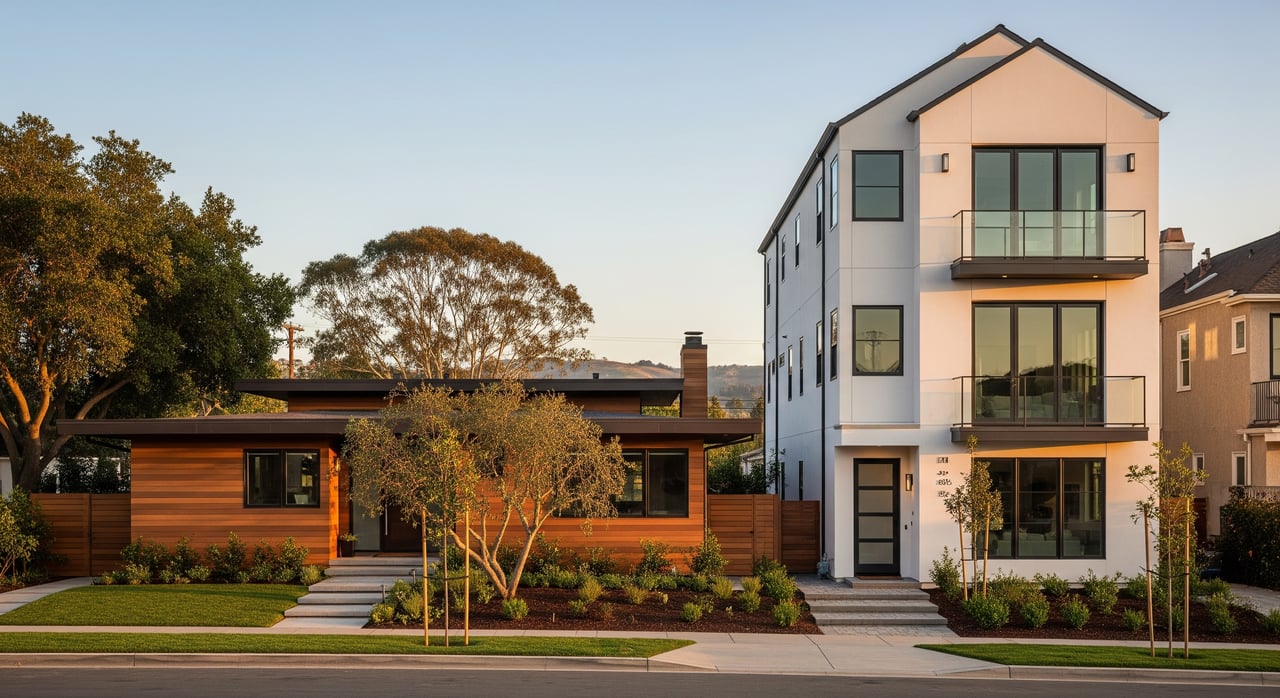
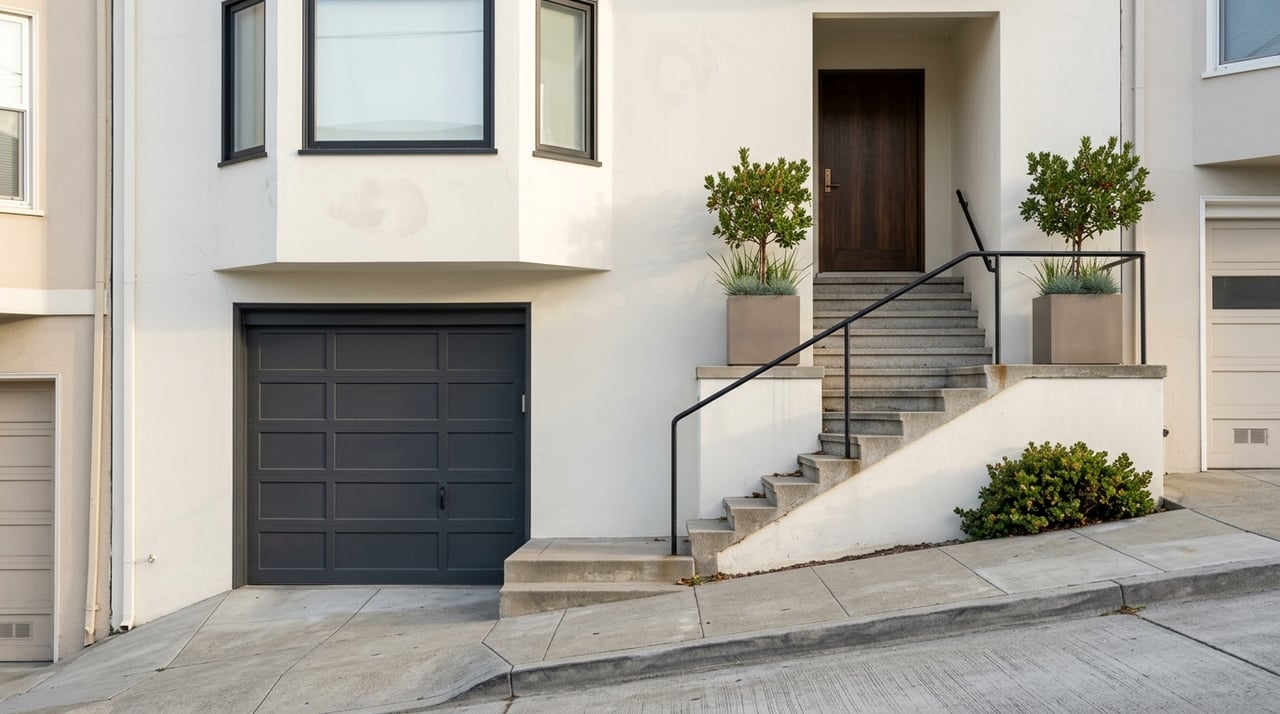
Thinking about buying in Union City and torn between a house and a townhome? You’re not alone. Each option comes with a different mix of costs, rules, and day-to-day tradeoffs that affect your budget and lifestyle. In this guide, you’ll learn how to compare total monthly cost, understand HOA dynamics, and weigh space, privacy, and future flexibility so you can choose with confidence. Let’s dive in.
Union City market snapshot
Union City offers a mix of single-family neighborhoods and townhome communities near transit and retail. Many townhomes cluster around major corridors and the Union City BART station, while single-family homes are more common in established residential areas. Buyers are drawn by access to I‑880 and SR‑92 and proximity to job centers in Oakland, Fremont, and the South Bay.
If you value walkability and easier commuting, townhomes near transit can be appealing. If you want private outdoor space, storage, and potential to expand, single-family homes tend to fit better.
What your budget buys
Purchase prices shift with the market and exact location. In many Bay Area submarkets, a given budget buys more land and storage with a single-family home, while townhomes closer to transit can carry a higher price per square foot. The right comparison looks at recent comps in the same neighborhood, not across the entire city.
Here’s how to frame it:
- Compare a two- or three-bedroom townhome to a three- or four-bedroom house in the same zip and school attendance area.
- Look at price per square foot, outdoor space, parking, and HOA dues side by side.
- Factor time on market and seller activity to understand negotiation room.
Monthly cost comparison
Your monthly number is more than the mortgage. Build a clear, apples-to-apples view of all costs.
- Property taxes: Under Proposition 13, the base tax is roughly 1% of assessed value plus local assessments. The assessed value typically resets to the purchase price at sale, with limited annual increases afterward.
- HOA dues: Most townhomes have HOAs that can cover exterior maintenance, landscaping, roof or structure insurance, reserves, common utilities, and amenities. Some single-family homes also have HOAs, but many do not. Confirm the exact services in the budget and CC&Rs.
- Insurance: Single-family owners typically carry a dwelling policy for the entire structure. Townhome owners often rely on the HOA master policy for the exterior and buy an HO‑6 policy for interior finishes, personal property, liability, and loss assessments.
- Maintenance and utilities: Houses usually have higher exterior and yard costs. Many owners plan 1% to 3% of the home’s value per year for long-term maintenance, depending on age and condition. Townhomes often reduce exterior costs but can have shared component risks that appear as special assessments.
- Repairs and replacements: Roofs, fences, driveways, and drainage are usually a house owner’s responsibility. In townhomes, bigger items may be funded through HOA reserves or special assessments.
- Transaction and resale: Townhomes in transit-friendly pockets can sell faster at certain times, while houses with yards and expansion potential attract another buyer segment. Staging and prep should highlight what each property type does best.
Lifestyle tradeoffs
Both options work well in Union City. It comes down to how you live.
- Space and privacy: Houses offer private lots, more separation from neighbors, and larger garages. Townhomes make efficient use of space and often have modern floor plans.
- Outdoor space: Houses provide yards for gardening, play areas, or future additions. Townhomes may offer small patios or access to shared green spaces with lower upkeep.
- Noise and shared walls: Townhomes share walls, so construction quality and community rules matter. Houses reduce shared-wall noise.
- Parking and storage: Houses often have driveways, larger garages, and more on-site parking. Townhomes can have assigned spaces or smaller garages, with guest parking rules set by the HOA.
- Renovation and flexibility: Houses give you more freedom to remodel and expand, subject to permits and zoning. Townhome exterior changes usually need HOA approval and may be limited.
- Commute and amenities: Townhomes near BART or retail can cut commute time and increase convenience. Houses farther from transit may require more driving.
HOA rules and risk
Before you buy a townhome, review the documents that shape daily life and costs:
- CC&Rs, Bylaws, and Rules and Regulations
- Budget, reserve study, and insurance certificates
- Meeting minutes and current assessment schedules
- Policies on pets, parking, rentals, and short-term rentals
A healthy reserve fund and clear maintenance plans reduce the risk of special assessments. Pay attention to any litigation and delinquency reports. For houses, you will not have HOA rules in most cases, but you should still review easements, shared driveways, and any private road or maintenance obligations.
Financing and eligibility
Financing can differ between property types.
- Townhomes within condo-style associations may face lender scrutiny if reserves are low or delinquencies are high. FHA and VA loans have project approval processes that can limit options for some buyers.
- Projects considered non-warrantable can require higher down payments or different loan programs.
- Single-family homes usually offer more flexible loan options unless condition issues arise.
If you plan to use FHA or VA financing, confirm project eligibility early.
ADUs and future flexibility
California’s ADU laws have made it easier to add accessory dwelling units, subject to local rules on size and setbacks. Single-family lots in Union City tend to offer more ADU potential than most townhome parcels. SB 9 also allows certain lot splits and duplex conversions, but local implementation and safety standards apply. If future flexibility or multi-generational living is a goal, weigh this heavily in favor of a house.
Inspections to prioritize
Inspection focus areas vary by property type and can affect your long-term costs.
- Single-family homes: Roof, foundation, grading and drainage, sewer lines, trees, and exterior systems. Look for signs of deferred maintenance.
- Townhomes: Party walls, shared rooflines, gutters and drainage, and any indicators of HOA deferred maintenance. Confirm what the HOA maintains versus what you maintain as the owner.
Quick decision framework
Use this simple framework to compare options in the same neighborhood.
- Total monthly number
- Mortgage principal and interest
- Property taxes
- HOA dues (if any)
- Insurance (HO‑3 for houses or HO‑6 plus master policy considerations for townhomes)
- Average maintenance set-aside and likely utilities
- Lifestyle fit
- Needed bedrooms, storage, and office space
- Yard preferences and outdoor living
- Parking needs and guest access
- Commute, transit, and retail proximity
- Future plans
- Renovation or expansion goals
- ADU potential and zoning path
- Rental flexibility within HOA rules (if a townhome)
Buyer checklist for Union City
Bring this list to your next tour or consultation.
- Recent comps for both property types in the same pocket
- Current HOA dues, financials, reserve study, and any pending assessments
- Property tax estimates and any local assessments on similar parcels
- Insurance quotes for HO‑3 vs. HO‑6 based on the property type
- Inspection scope tailored to SFH or townhome components
- Project eligibility for FHA/VA if relevant
- Zoning, permit history, and ADU feasibility for single-family properties
- Parking policies, guest parking, and any storage limitations
Choosing between a house and a townhome in Union City is both a numbers exercise and a lifestyle choice. If you want private outdoor space, renovation flexibility, and long-term expansion potential, a house likely wins. If you prioritize a simpler maintenance routine, transit access, and lower exterior responsibilities, a townhome could be the smarter fit.
Ready to compare exact comps, monthly costs, and ADU or renovation paths for your goals? Reach out to Minna Real Estate for a tailored plan and a clear decision framework.
FAQs
What costs differ most between a Union City house and a townhome?
- Beyond the mortgage, the biggest differences are HOA dues, insurance type, exterior maintenance responsibilities, and potential special assessments for shared components in townhomes.
How do property taxes work in Alameda County under Prop 13?
- The assessed value typically resets to the purchase price at sale, with a base rate around 1% plus local assessments, and limited annual increases until another reassessment event.
What HOA documents should I review before buying a Union City townhome?
- Review CC&Rs, Bylaws, Rules, budget, reserve study, insurance certificates, recent meeting minutes, current assessments, delinquency reports, and any litigation disclosures.
Can I use FHA or VA financing for a Union City townhome?
- Yes if the project meets eligibility standards; verify project approval and financial health early because some projects limit loan options.
What inspections are critical for Union City single-family homes?
- Focus on roof, foundation, grading and drainage, sewer lines, trees, and exterior systems to assess long-term maintenance and risk.
Can I add an ADU more easily on a house than a townhome?
- Usually yes. California’s ADU rules favor single-family lots for size and placement flexibility, while townhome parcels and HOA rules often restrict additions.
What lifestyle tradeoffs should I expect with shared walls in a townhome?
- Expect more community rules and potential noise transfer; benefits include efficient layouts, lower exterior upkeep, and proximity to transit and retail in many developments.