
Oakland ADU Basics: What to Know About Rules, Costs, and ROI
December 4, 2025
December 4, 2025
Thinking about adding space, flexibility, or rental income to your Oakland property? An ADU can be a smart way to house family, create a home office, or generate monthly cashflow. You want clear rules, realistic costs, and a simple way to gauge ROI before you commit. This guide gives you the basics so you can plan with confidence. Let’s dive in.
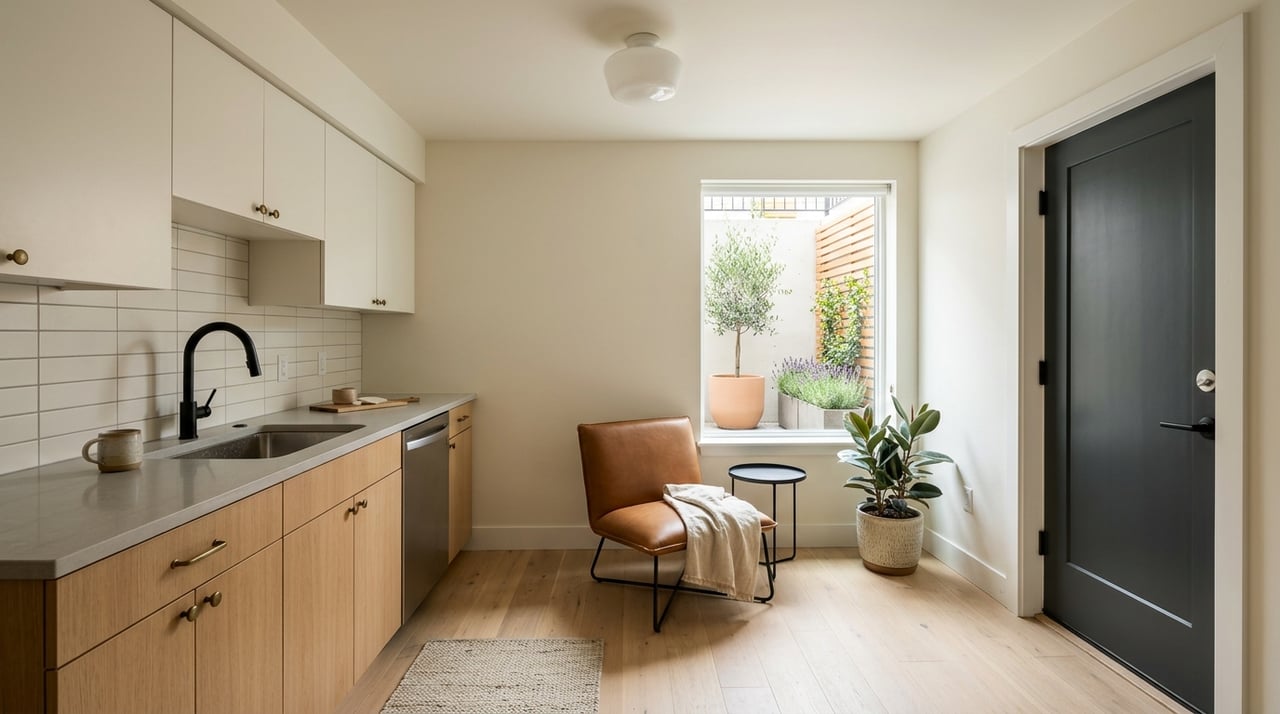
An Accessory Dwelling Unit is a secondary, self-contained home on the same lot as a primary residence. It has its own entrance, sleeping area, kitchen, and bathroom. In Oakland, ADUs are shaped by state rules and local standards, which means many lots are eligible if you follow objective requirements.
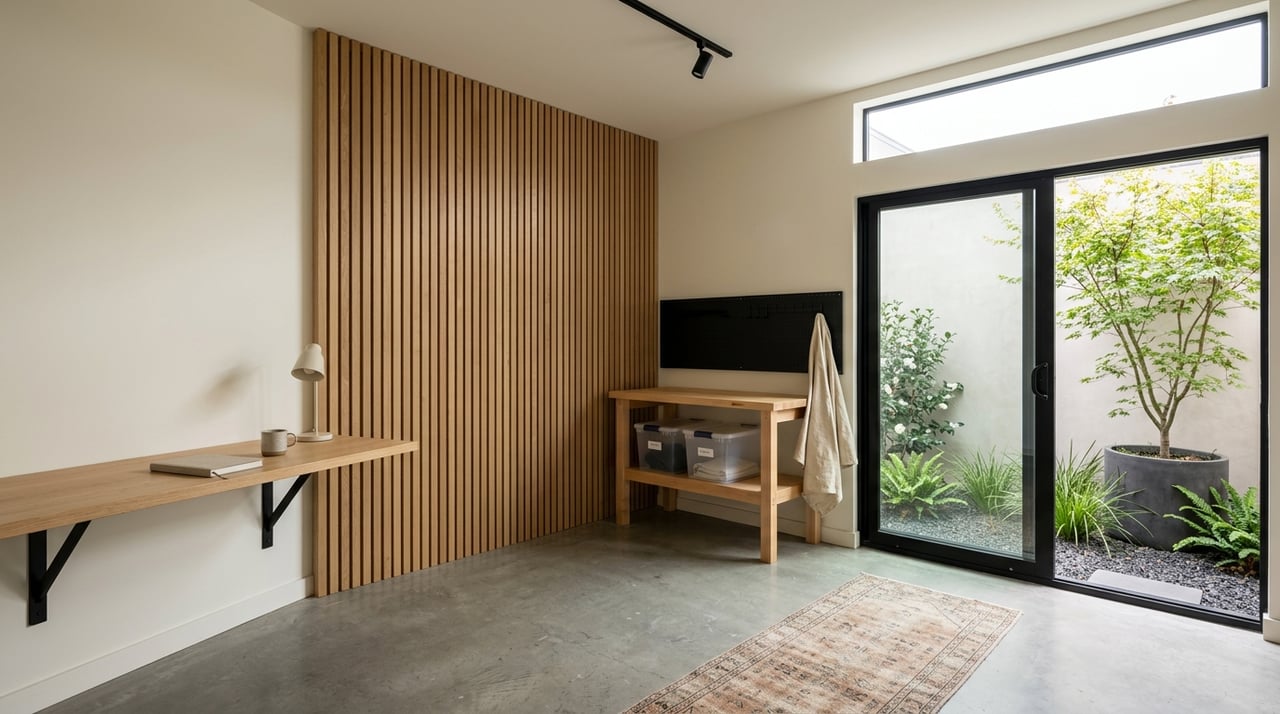
A true ADU is a fully habitable unit with a private entrance, kitchen, and bathroom. Studios or in-law suites without a kitchen or proper permits are not the same. Permitted, code-compliant ADUs create more value and fewer issues at resale.
California ADU laws require cities to allow ADUs through a ministerial process when you meet objective standards. Oakland aligns with these state rules while setting local details like setbacks, height, and design standards in some cases. Always confirm current requirements with Oakland Planning and Building before you draw plans or hire contractors.
Many single-family and multi-family lots in Oakland allow ADUs, though specifics vary by zoning district and lot conditions. A quick feasibility check with city staff can help you confirm if your parcel qualifies and whether there are block-specific constraints.
Oakland follows state frameworks for maximum size, with typical caps in the 800–1,200 sq ft range depending on the situation. JADUs are capped at 500 sq ft. Setbacks and height limits apply, and smaller detached ADUs may benefit from reduced setbacks under state law. Confirm exact local numbers with the city.
State law limits when cities can require parking for ADUs, especially if the property is near transit or meets other exemptions. Oakland implements those limits, but some conditions can still trigger a parking requirement. Owner-occupancy rules have evolved at the state level; verify any current owner-occupancy provisions with the city.
Expect building permit and plan review fees, along with potential utility connection or capacity fees. State law reduces certain impact fees for smaller units under common thresholds. Your ADU must meet the California Building Code, fire access needs, and any applicable accessibility triggers.
If you plan to use the ADU for short-term rental, you may need to register and comply with Oakland’s short-term rental regulations and taxes. Check current rules before you rely on short-term income.
Permitting is ministerial if you meet objective standards. The process looks like this for most projects:
Timelines vary by project type and completeness of your plans. Simple conversions may move in a few months. New detached builds often take longer, with total timelines ranging from several months to 9–18 months when issues arise.
ADU costs in the Bay Area depend on size, build type, finishes, and site complexity. Labor and materials tend to be higher here than national averages.
Garage conversions and JADUs usually cost less since you reuse existing structure. New detached or large attached units cost more due to foundations, framing, and full systems. Adding an ADU typically increases assessed value in Alameda County, which increases annual property taxes for the new construction portion. Consult the county assessor for specifics.
You have several ways to pay for an ADU. Pick the option that matches your timeline, budget, and future plans.
Oakland’s rental demand is part of the broader Bay Area market and can be strong, though rents fluctuate. For a realistic rent estimate, compare recent listings for ADUs and small 1-bedroom or studio units in your immediate neighborhood. Citywide averages can mislead.
Key metrics:
Illustrative example:
Your cash-on-cash return depends on financing costs. If you use a loan, the first-year cash flow will be reduced by debt service. Owner-occupants often focus on whether monthly rent meaningfully offsets the mortgage rather than pure investment metrics.
An ADU can broaden your buyer pool and raise perceived value, but the increase is not always dollar-for-dollar with build cost. Buyers value permitted status, thoughtful design, and functional separation.
An ADU in Oakland can solve several goals at once: more living flexibility, long-term housing options, and potential rental income. Success comes from getting the rules right, building to code, and modeling ROI with realistic rents and expenses. If you want a practical plan, local insights, and help prioritizing improvements that add value, we are here to guide you.
Ready to explore an ADU strategy for your Oakland property? Connect with the team at Minna Real Estate for a friendly, data-informed consultation.
Stay up to date on the latest real estate trends.
Minna Millare combines San Francisco‑native insight with investment‑savvy strategies, remodeling expertise, and a client-centered approach. Let her guide you step-by-step through California’s dynamic market, ensuring smart decisions and personalized results.