Thinking about buying a duplex in Oakland so you can live in one unit and rent the other, or add a steady East Bay income property to your portfolio? You are not alone. Duplexes can offer flexible owner‑occupant financing, solid rental demand, and clear value‑add paths. The catch is that Oakland’s rent rules, sewer lateral requirements, and renovation risks can reshape your numbers if you do not plan ahead. In this guide, you will learn what to evaluate before you write an offer, how to underwrite cash flow, and where a renovation‑savvy agent can help you win. Let’s dive in.
Why Oakland duplexes work
Oakland’s duplex and small multi‑unit market appeals to both house‑hackers and buy‑and‑hold investors. You can often use residential financing for 2–4 units if you plan to live in one unit, which can lower your down payment and rate compared with investor loans. FHA’s 203(k) program even lets you finance purchase and rehab in one loan for eligible properties. Learn more in the FHA overview for 203(k) buyers from HUD.
Rental demand is meaningful relative to San Francisco and Silicon Valley, and overall median rents around the city suggest room for yield when you buy right. The city’s median sale price has hovered around the mid‑$700,000s in recent snapshots, but averages can mask big neighborhood differences. Your price point and rent comps will vary block by block, so plan to underwrite with hyperlocal data.
Know the building you are buying
Common Oakland duplex types
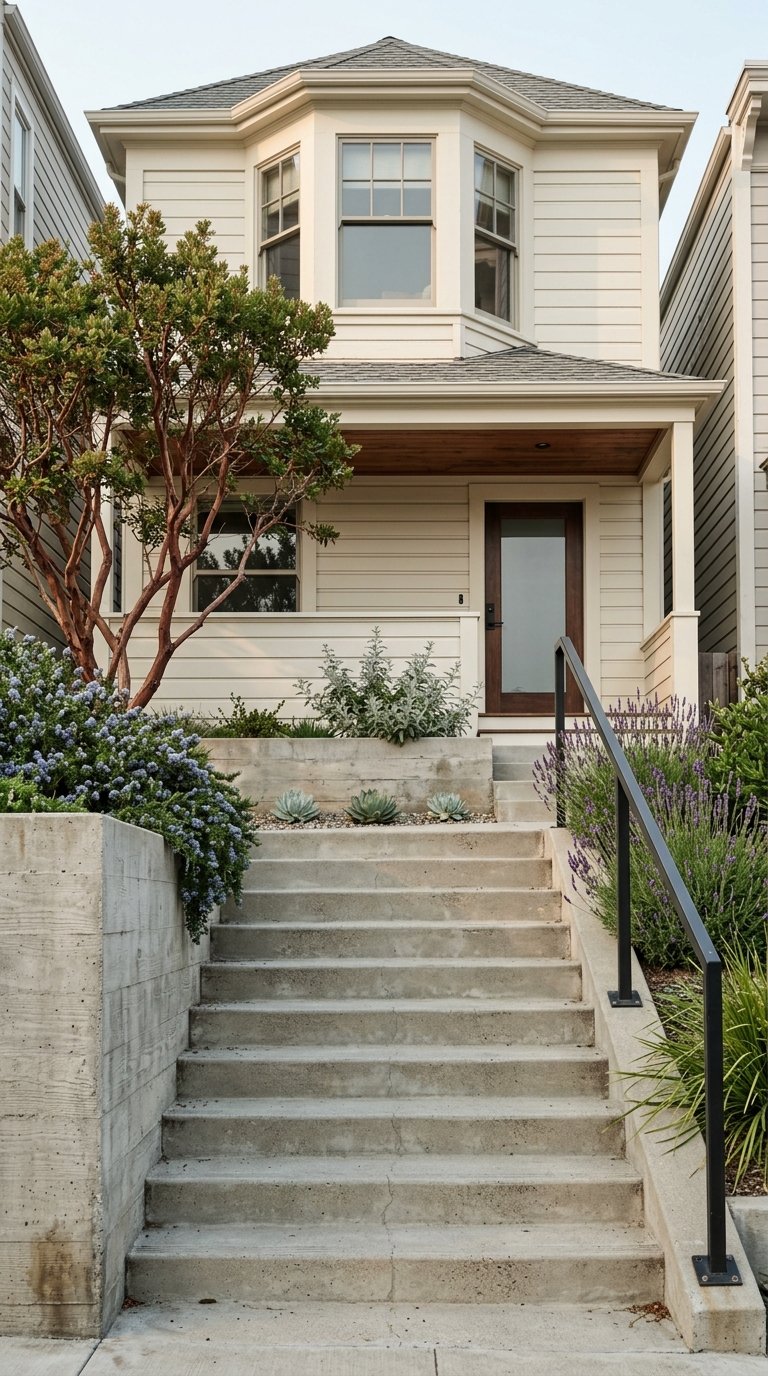
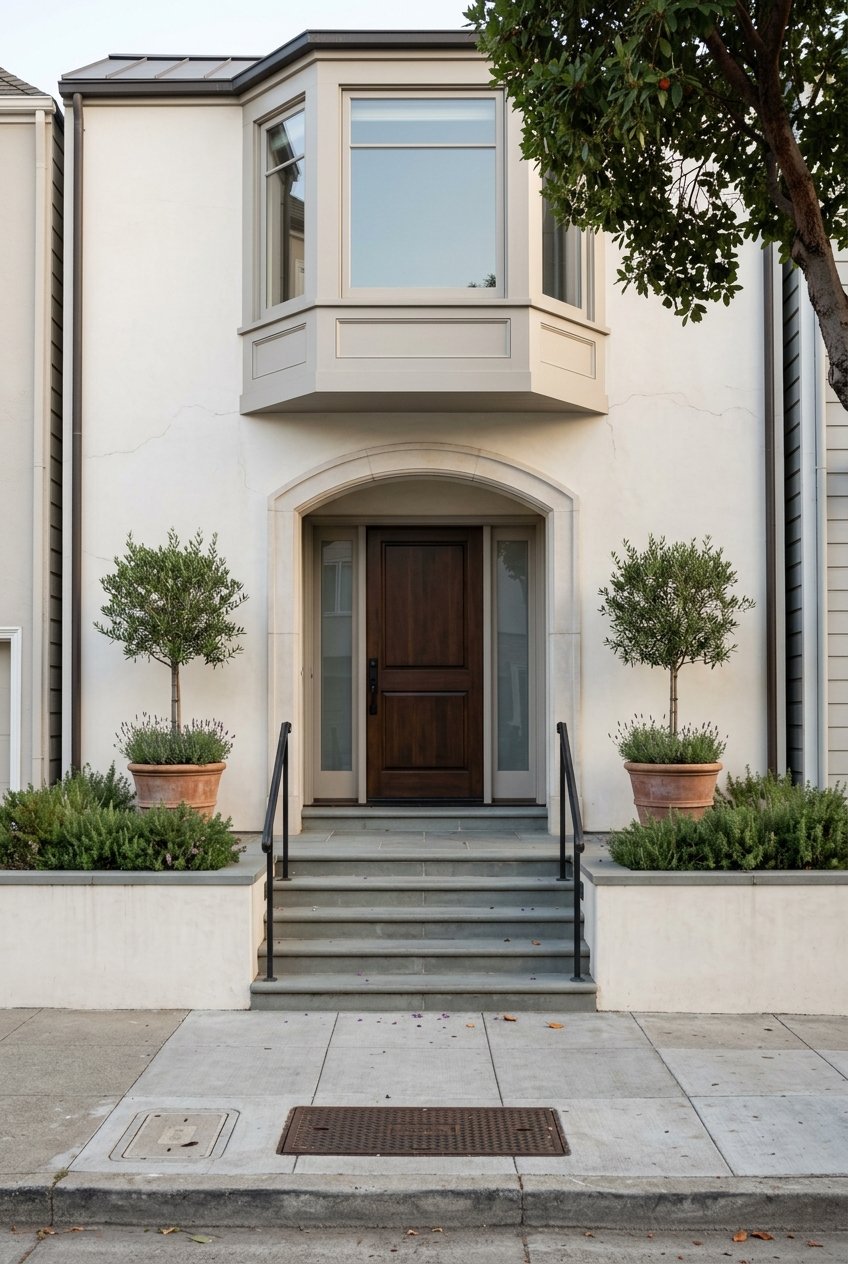
You will see historic two‑flats from the Victorian, Edwardian, and Craftsman eras, purpose‑built duplexes and triplexes from the 1920s to 1950s, and some small garden‑style buildings. Age and original construction influence your scope. Older properties may carry electrical, plumbing, lead paint, and structural needs. For architectural context on these eras, see the UC Berkeley guide to Bay Area architecture.
Inspection red flags to budget for
- Private Sewer Lateral condition. Oakland participates in a regional program that requires a compliance certificate on sale or during major remodels. Review the city’s sanitary sewer documentation and confirm whether a PSL certificate is current. A camera inspection early in escrow is smart.
- Older electrical and plumbing. Knob‑and‑tube wiring and galvanized supply lines are common in older buildings. Insurers and lenders often require upgrades.
- Water intrusion and roof systems. Roof, flashing, gutters, and siding issues drive costly repairs if deferred.
- Seismic and foundation. Standard duplexes are not typically in Oakland’s mandatory soft‑story program, but you should still check for foundation cracks and plan for voluntary seismic improvements if you remodel.
- Lead paint and possible asbestos in pre‑1978 homes. Renovation on older properties must follow EPA RRP rules. A certified pro can guide compliant work.
Rent control and tenant law essentials
Oakland’s Rent Adjustment Program (RAP)
Oakland enforces its Rent Adjustment Ordinance through the Rent Adjustment Program. RAP oversees allowable annual increases, just‑cause eviction rules, and relocation assistance in certain no‑fault cases. Before you buy, verify each unit’s rent‑control status, rent‑increase history, and whether any RAP petitions are on file. You can connect with the city’s Rent Adjustment Program for guidance.
State Tenant Protection Act (AB 1482)
California’s Tenant Protection Act creates statewide rent caps and just‑cause rules for many, but not all, residential units. Some owner‑occupied duplex situations can be exempt, and newer construction may be exempt as well. Always confirm coverage or exemptions for your specific duplex and whether required exemption notices were given. A clear summary of AB 1482’s framework is available in public guidance.
Ellis Act and relocation planning
If your strategy involves withdrawing units from the rental market, Oakland’s Ellis Act ordinance outlines filing, notice, and relocation assistance obligations. These procedures can add time and cash requirements, especially for households qualifying for additional assistance. Review the city’s Ellis Act ordinance and include legal counsel in your plan if you anticipate using this path.
Short‑term rental and condo conversion notes
Oakland requires registration and taxes for short‑term rentals and restricts some uses. Rules change, so verify current requirements with city staff before assuming STR income. Condo conversion has its own process and limitations. Build your pro forma around long‑term rentals unless your legal team confirms otherwise.
Sewer laterals and seismic safety
Oakland is part of a regional Private Sewer Lateral program that triggers inspection and compliance on sale or substantial remodel. A failed lateral can stall closings if not addressed. The city’s sanitary sewer plan references PSL responsibilities and compliance triggers, and local practitioners offer helpful overviews of what is required at sale.
Oakland’s Mandatory Soft‑Story Retrofit Program targets larger multi‑unit buildings built before 1991 that meet specific thresholds. Typical duplexes are generally outside this program. Even so, voluntary seismic upgrades, cripple‑wall bracing, and foundation repairs can improve safety and reduce future costs if you plan structural changes.
Financing options for 2–4 units
- Owner‑occupant programs. You can often use FHA, VA, or conventional financing on 1–4 unit properties when you live in one unit. FHA 203(k) can roll purchase and rehab into one loan for eligible properties. See the FHA 203(k) consumer brochure for details on scope and process.
- Conforming limits. Conventional loan limits change over time and vary by county. Alameda County is typically a higher‑cost area, which affects maximum loan size on 2–4 unit purchases. Check the current FHFA conforming limit announcement and verify county‑specific numbers with your lender.
- Investor loans. If you will not occupy a unit, expect higher down payments and reserve requirements. Debt service coverage ratio standards vary by lender.
Practical tip: If you plan a rehab while living in one unit, coordinate early with a lender that understands 203(k) or similar rehab products, and confirm any project or property eligibility rules.
Underwriting checklist and timeline
Documents to request before you offer
- Current rent roll, leases, deposits, and utility splits. Confirm rent‑control coverage and any RAP petitions.
- Seller disclosures on defects, permit history, RAP filings, or Ellis notices.
- Preliminary title report, easements, and assessments.
- Private Sewer Lateral compliance certificate or a recent sewer camera video.
Inspections and scope during contingency
- General home inspection with a focus on structure, roof, and water intrusion.
- Sewer camera inspection and contractor quote for PSL work if needed.
- Licensed electrical inspection for knob‑and‑tube, panel size, and service capacity.
- HVAC and plumbing inspections, plus pest or termite checks.
- Lead and asbestos sampling for pre‑1978 buildings. Follow EPA RRP rules with certified contractors.
Legal and regulatory checks
- Verify rent control status, AB 1482 coverage or exemptions, owner‑occupancy history, and any recent RAP activity.
- Confirm short‑term rental restrictions and any recorded notices.
- If considering unit withdrawal, review Ellis Act requirements with counsel.
Red lines to watch
- Unclear title or major environmental issues.
- Tenant estoppels that confirm very low rents with no path to repositioning.
- Significant PSL defects that the price does not reflect or the seller refuses to address.
Typical timeline
- Offer to acceptance and first inspections: 1 to 3 weeks.
- PSL camera inspection and minor repairs: 1 to 4 weeks, depending on contractor backlog and permit triggers. See a local overview of East Bay PSL requirements for context.
- Permit review for planned work: often 4 to 12 or more weeks, based on scope and department workload.
- Construction: cosmetic 4 to 12 weeks, structural or major retrofit 3 to 9 or more months. Confirm with Oakland‑experienced contractors.
Simple cash‑flow math you can use
Use this framework to pressure‑test a deal. Plug in neighborhood‑level rents and your real expense quotes.
- Gross Potential Rent: total market rent for both units.
- Vacancy and credit loss: model 5 to 8 percent for well‑located duplexes, higher if turnover risk is high.
- Effective Gross Income: GPR minus vacancy.
- Operating expenses: property taxes, insurance, owner‑paid utilities, management, repairs and maintenance, plus HOA if any. A quick check is an expense ratio of 30 to 50 percent of EGI, then refine with quotes. For property taxes, Alameda County publishes composite rates in its Tax Rate Book.
- Net Operating Income: EGI minus operating expenses.
- Financing cost: principal and interest, plus required reserves. Calculate DSCR as NOI divided by annual debt service.
- Cash‑on‑cash return: NOI minus annual debt service, divided by your actual cash invested.
Run a sensitivity table on rent, rehab cost, and interest rate assumptions so you see your break‑even points before you commit.
Value‑add plays that work in Oakland
- Modernize interiors and systems. Upgrading kitchens, baths, lighting, insulation, and mechanicals can lift rents, but verify rent‑control coverage and allowable increases before you model rent growth.
- Legalize existing conversions. Attic, basement, or rear units add value when fully permitted, but they require proper egress, fire safety, and possibly sprinklers. Pull permit history before you underwrite upside.
- Add an ADU where zoning and site conditions allow. Some financing programs, including FHA 203(k), can support eligible ADU work. Coordinate early with planning, building, and utility providers.
- Tackle PSL and major systems during escrow. A priced‑in repair plan can smooth closing and reduce surprise costs after you take title.
How Minna Real Estate helps you win
You get the most out of a duplex purchase when your numbers and your plan are both dialed. Minna Real Estate blends local small‑multifamily expertise with renovation know‑how so you can underwrite with confidence and execute after closing. We will:
- Pull duplex comps and rent histories, then verify RAP, PSL, and permit status before you submit.
- Connect you with 203(k)‑friendly lenders, HUD consultants, and Oakland‑experienced contractors.
- Structure offer terms and contingencies tailored to tenant estoppels, PSL compliance, and permit due diligence, so you avoid surprise costs.
Ready to explore Oakland duplex opportunities and map a value‑add plan that fits your goals? Reach out to Minna Real Estate to start a focused search and get a practical renovation roadmap.
FAQs
What is Oakland’s Rent Adjustment Program and how does it affect a duplex purchase?
- Oakland’s RAP administers rent control and just‑cause rules. Before buying, confirm each unit’s coverage, rent history, and any RAP petitions using the city’s RAP resources.
Do I need a Private Sewer Lateral inspection when buying a duplex in Oakland?
- Yes, the regional PSL program requires inspection and a compliance certificate at sale or during major remodels. Review Oakland’s PSL documentation and plan a sewer camera during contingencies.
Are most Oakland duplexes covered by California’s AB 1482 rent caps?
- Many units are covered, but exemptions apply, including some owner‑occupied duplex situations and newer construction. Verify coverage or exemptions and required notices for your specific property.
Does Oakland require soft‑story retrofits for standard duplexes?
- Oakland’s mandatory program targets larger soft‑story buildings, not most standard duplexes. Still, plan for voluntary seismic work if your inspection or remodel scope calls for it.
Can I use FHA 203(k) to buy and rehab a duplex in Oakland?
- Yes, FHA 203(k) can finance purchase plus renovation for eligible 1–4 unit properties. Review HUD’s 203(k) consumer brochure and confirm lender overlays and project eligibility.
Links and references mentioned above:
Ready to take the next step? Connect with Minna Real Estate for a focused strategy, on‑point underwriting, and a renovation plan that turns a good duplex into a great investment.