Castro Valley Or Dublin? Choosing Your East Bay Home Base
March 24, 2026
March 24, 2026
Trying to choose between Castro Valley and Dublin for your East Bay home base? You are not alone. Both sit along I‑580 with strong transit access and a wide range of housing, but they feel different day to day. In this guide, you will compare prices, commute realities, home types, parks, shopping, and school logistics so you can pick the right fit with confidence. Let’s dive in.
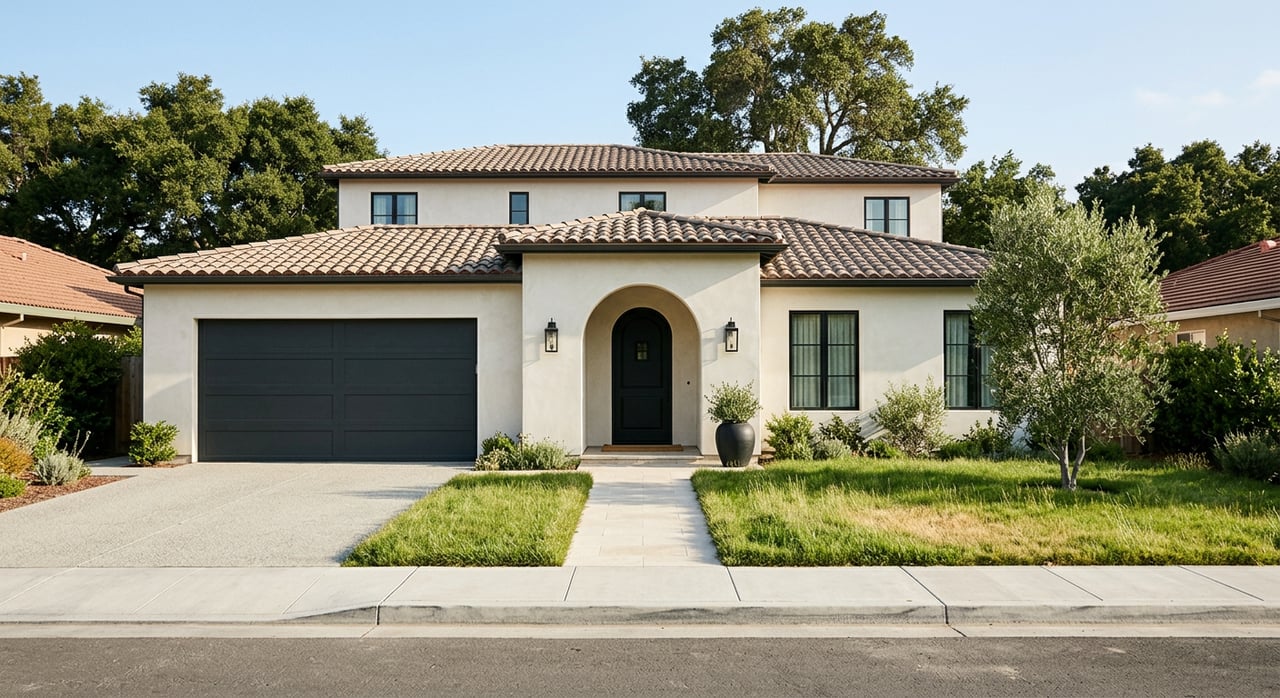
Castro Valley’s housing stock is largely mid‑century single‑family homes, including ranch and split‑level styles. Lots and floorplans vary street by street, and many properties have mature landscaping. If you value character and are open to light updates or targeted improvements, you will find solid options across the $800K to $1.5M range depending on size, location, and condition.
Dublin’s housing mix includes newer subdivisions, master‑planned neighborhoods, and a broader selection of townhomes and condos, especially near its BART areas. Modern layouts, HOA‑managed amenities, and community parks are common. Lot sizes and architecture differ across East, West, and central Dublin, so map your priorities around space, HOA obligations, and proximity to transit or retail.
Castro Valley has recently seen low‑teens days on market for many listings, which signals strong demand in specific price bands. Dublin has shown more variability and, at times, longer market times, especially for certain segments like higher‑priced or niche new‑build product. The practical takeaway is simple: check micro‑trends the week you start touring and adapt your offer strategy to the specific submarket.
Both communities sit along I‑580. Dublin also connects directly to I‑680, which is useful if you work in San Ramon, Pleasanton, or Walnut Creek. Castro Valley is closer to the Oakland and San Leandro side of the corridor, which can shorten drives to central or east Oakland and Hayward during some time windows. Peak‑hour congestion and incident delays are common along I‑580 and the 580/680 interchange, so always test your exact route.
Castro Valley is served by the neighborhood‑scale Castro Valley Station. Dublin has two stations, the Dublin/Pleasanton terminus and West Dublin/Pleasanton. The Dublin/Pleasanton terminus functions as a large park‑and‑ride hub with substantial parking and bus connections, as detailed in BART’s Dublin/Pleasanton Access Plan.
Typical one‑seat BART rides to downtown San Francisco often run about 30 to 35 minutes from Castro Valley and roughly 40 to 55 minutes from Dublin, depending on origin station and schedule. Always verify current schedules and plan for first‑mile time, parking, and transfers if needed by checking station pages and the live planner on bart.gov.
U.S. Census QuickFacts data for 2020 to 2024 shows mean one‑way commute times around 32.7 minutes for Castro Valley residents and about 35.9 minutes for Dublin residents. Averages are helpful for context, but your actual door‑to‑door will depend on your precise route, departure window, and mode.
If weekend hikes or lakeside loops are your thing, Castro Valley offers quick access to East Bay regional parks. Lake Chabot Regional Park has multi‑use trails, boating, and picnic areas, and it anchors a network of nearby open spaces that many residents use as their backyard gym.
Dublin’s newer neighborhoods are woven around community parks and sports fields. The city highlights large destinations like Emerald Glen and picnic‑friendly spaces listed on its parks and picnic areas page. Trails, play areas, and seasonal events are part of the local rhythm.
Dublin lines up big‑box retail and regional shopping corridors along I‑580. The West Dublin/Pleasanton station area materials note proximity to regional shopping centers, which adds convenience for larger errands. Castro Valley’s central strip is smaller, with independent shops, groceries, and services suited to day‑to‑day needs.
Castro Valley Unified School District (CVUSD) runs local public schools and maintains information about facilities and funding on its district site. Dublin Unified School District (DUSD) has added capacity and new campuses in step with residential growth, which you can review at the DUSD website.
If school assignment is important to you, confirm attendance boundaries and enrollment procedures directly with the district before you write an offer. Boundaries can change as new schools open and programs expand.
Use this short, focused plan to compare the two in one afternoon.
Choosing between two strong options can feel overwhelming, but you do not have to figure it out alone. Our approach blends local market insight with practical renovation and value‑add guidance. If a Castro Valley home needs targeted updates to unlock long‑term value, we help you scope costs and timeline. If a Dublin townhome offers the right location but you want to optimize layout or finishes, we bring vendor resources and a clear plan.
You will get structured touring, real pricing comps, and negotiation strategy tailored to the exact submarket. When you are ready, reach out to schedule a side‑by‑side tour and a plan that fits your goals with Minna Real Estate.
Stay up to date on the latest real estate trends.
Minna Millare combines San Francisco‑native insight with investment‑savvy strategies, remodeling expertise, and a client-centered approach. Let her guide you step-by-step through California’s dynamic market, ensuring smart decisions and personalized results.