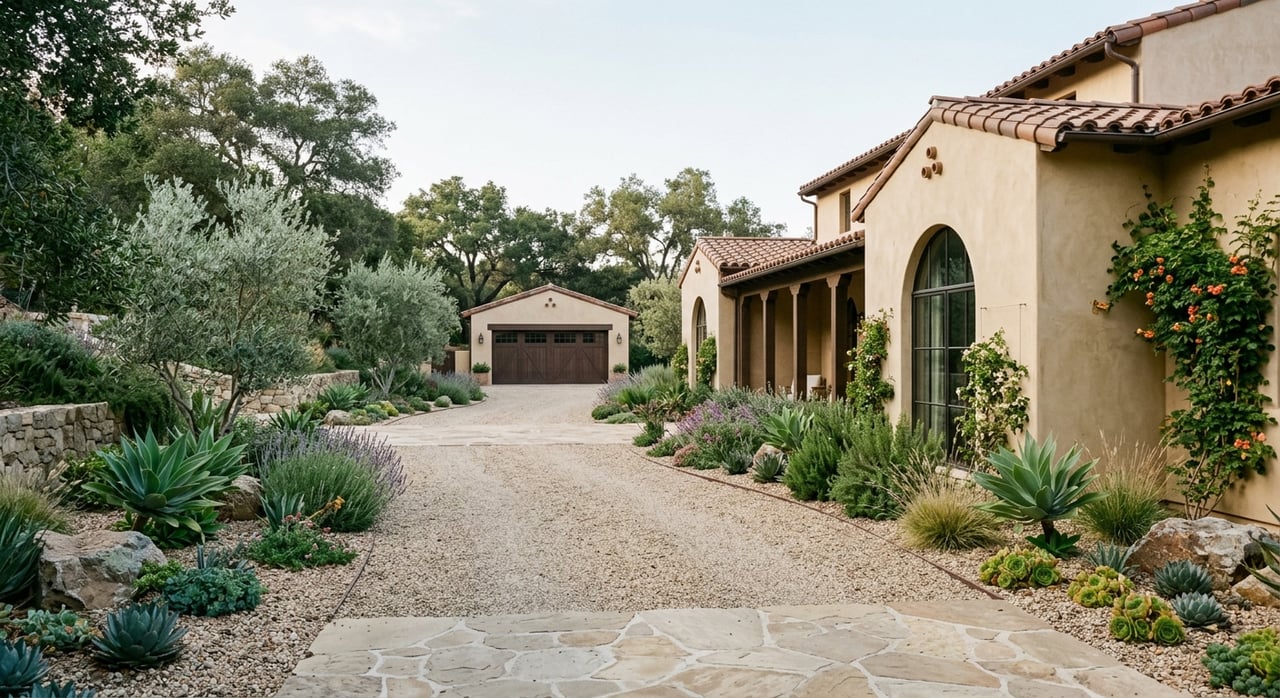
Smart San Jose Value-Add Real Estate Strategies
April 16, 2026
April 16, 2026
Trying to buy in San Jose and still find upside can feel like chasing a moving target. Prices are high, competition is real, and it is easy to overpay for a property that looks promising but has limited room for improvement. The good news is that value-add opportunities still exist if you know where to look, what to improve, and where to stop. In this guide, you’ll learn practical strategies for San Jose buyers and investors who want stronger resale potential, better rental performance, or both. Let’s dive in.
San Jose remains a fast-moving market by national standards. In February 2026, Redfin reported a median sale price of $1.325 million, typical days on market of 12, and average sales around 4% above list price. Nearby cities tell a similar story, with Berkeley, Oakland, and Santa Clara also showing quick timelines and above-list bidding.
That matters because in competitive markets, buyers often pay a premium for homes that already feel finished and functional. If you can buy a property with solid fundamentals and improve the parts that buyers or renters notice most, you may be able to create value without taking on a full custom remodel.
Rental demand also supports this approach. As of February 28, 2026, Zillow’s city data showed average asking rents of about $3,222 in San Jose, $3,073 in Berkeley, $2,527 in Oakland, and $3,673 in Santa Clara. In markets like these, an added bedroom, better layout, or legal secondary unit can affect income as well as resale appeal.
The best value-add deals usually start with a property that is already workable. You are not just buying square footage. You are buying the ease or difficulty of improving it.
In San Jose, strong candidates often have a simple footprint, enough lot flexibility, and a clear path for utilities and permitting. If you are considering an ADU strategy, the city’s published criteria make early screening especially important.
A property may become more expensive and less predictable if it has:
If you are targeting a faster ADU path, San Jose’s preapproved ADU program is designed for lower-cost, more predictable permitting when the property qualifies.
Not every remodel adds value equally. In high-cost Bay Area markets, the smartest upgrades are often the ones that are visible, functional, and easy for the next buyer to appreciate.
The 2025 NAR/NARI Remodeling Impact Report found strong estimated cost recovery for projects like a new steel front door, closet renovation, vinyl or wood windows, attic or basement conversions, and kitchen updates. REALTORS® also most often recommended painting the entire home and replacing a worn roof before listing.
For most buyers and smaller investors, the practical light-rehab list looks like this:
These updates are usually easier to budget than a major structural remodel. They also tend to be easier to compare against nearby sales, which helps you avoid over-improving for the block.
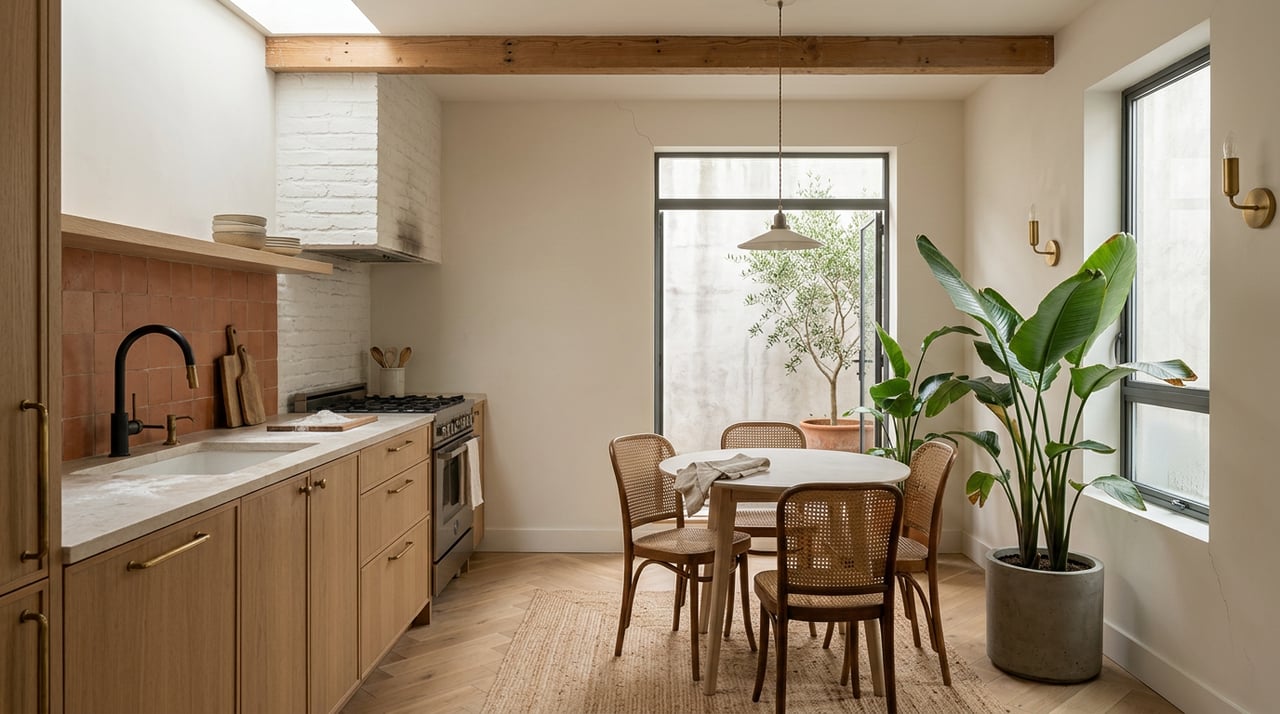
San Jose buyers often reward clean, usable, lifestyle-driven improvements over highly personalized finishes. According to Redfin home trend data, features that ranked well in San Jose included three bathrooms, new floors, a modern kitchen, storage room, large backyard, and a large center island.
That local context matters. A fresh, functional kitchen and better storage may have more market impact than expensive design choices that only appeal to a narrow buyer pool.
In nearby East Bay cities, the most valued features vary a bit, but the pattern is similar. Berkeley trends included fresh paint, hardwood floors, landscape, a front porch, and a new kitchen. Oakland trends included landscape, driveway, solar panels, front porch, and classic architectural character. Across the region, visible improvements with everyday usefulness tend to outperform highly customized luxury touches.
For many San Jose buyers and investors, an ADU or JADU can be one of the clearest ways to create value. It can support multigenerational living, add rental income, or increase the overall flexibility of the property.
San Jose allows ADUs on residentially zoned properties, including single-family, duplex, and multifamily lots. The city defines a JADU as a unit under 500 square feet within the footprint of a single-family home. The California Department of Housing and Community Development materials referenced by the city note that ADU applications are reviewed ministerially, without discretionary review or a public hearing, which is intended to create a more predictable approval path.
If speed matters, the city says its preapproved ADU program can be the fastest and lowest-cost permit option, and same-day permit issuance may be possible when a complete submittal qualifies. That said, not every lot is eligible, so it is worth checking constraints early rather than assuming a property will work.
An ADU can add flexibility, but it is still a numbers game. Before you build, you should understand both the cost side and the income side.
San Jose notes in its ADU FAQs that school impact fees and parkland impact fees do not apply to ADUs under 750 square feet. The city also states that first-round building review is typically about 20 business days unless extra review is needed, ADUs may require a separate PG&E meter, and property taxes will increase based on the value of the ADU.
Those details can materially affect your pro forma. A project that looks attractive at a glance may change once utility work, tax implications, and review timelines are included.
If your strategy depends on rental income, you want clarity before you close. San Jose’s rules are especially useful here because they speak directly to how owners can use the property.
According to the city’s ADU FAQ page, a house and ADU can be rented to different parties. The minimum rental term is 30 days, including Airbnb rentals. The city also notes that it approved the first ADU condominium in California in 2025 after becoming the first city in the state to approve ADU sales in 2024.
For investors, that means flexibility is part of the value story. The ability to create a separate legal unit can influence future rental options, ownership structure, and exit strategy.
One of the most common value-add mistakes is doing too much. In a market where homes already move quickly, a long, highly customized rehab can increase your risk without guaranteeing a better return.
The safer play is often a market-neutral refresh that aligns with neighborhood comps. Because San Jose and nearby Bay Area cities continue to show above-list bidding and relatively quick sales, the goal is usually to improve what buyers and renters notice first, then stop before the scope drifts beyond what the area supports.
This is where disciplined planning matters. The NAR remodeling report found that the most common reason people remodel is to replace worn-out surfaces and finishes. That lines up with what buyers tend to respond to in fast-moving markets: homes that feel updated, functional, and easy to move into.
When you tour homes in San Jose, Santa Clara, Oakland, or Berkeley, it helps to screen each property through the same simple framework.
Ask yourself:
This kind of checklist can keep you from getting distracted by cosmetic staging or a low list price. It also helps you compare opportunities more objectively when inventory is tight.
The best value-add purchases rarely happen by accident. They come from buying with a clear scope, realistic budget, and exit plan before you get emotionally attached to the property.
If you are a buyer planning to live in the home, that plan may center on phased improvements that increase comfort now and resale later. If you are an investor, it may mean targeting the fastest path to rent-ready condition or identifying a property where an ADU can materially improve long-term performance.
Either way, local market knowledge matters. Knowing what features buyers reward, what the city allows, and where a project can get expensive is often the difference between a smart purchase and an expensive lesson.
If you want help identifying Bay Area properties with real upside and creating a practical improvement strategy, Minna Real Estate can guide you from search to renovation planning with a clear, value-focused approach.
Stay up to date on the latest real estate trends.
Minna Millare combines San Francisco‑native insight with investment‑savvy strategies, remodeling expertise, and a client-centered approach. Let her guide you step-by-step through California’s dynamic market, ensuring smart decisions and personalized results.