Merced Manor Home Buying: What Buyers Should Know
March 12, 2026
March 12, 2026
House hunting on San Francisco’s Westside and wondering if Merced Manor is a fit? You’re not alone. Many buyers are drawn to its extra space, quiet streets, and easy access to parks and retail. In this guide, you’ll learn what homes and lots look like here, how the micro-market behaves, what to watch for in inspections, and the tradeoffs to weigh around transit and future development. Let’s dive in.
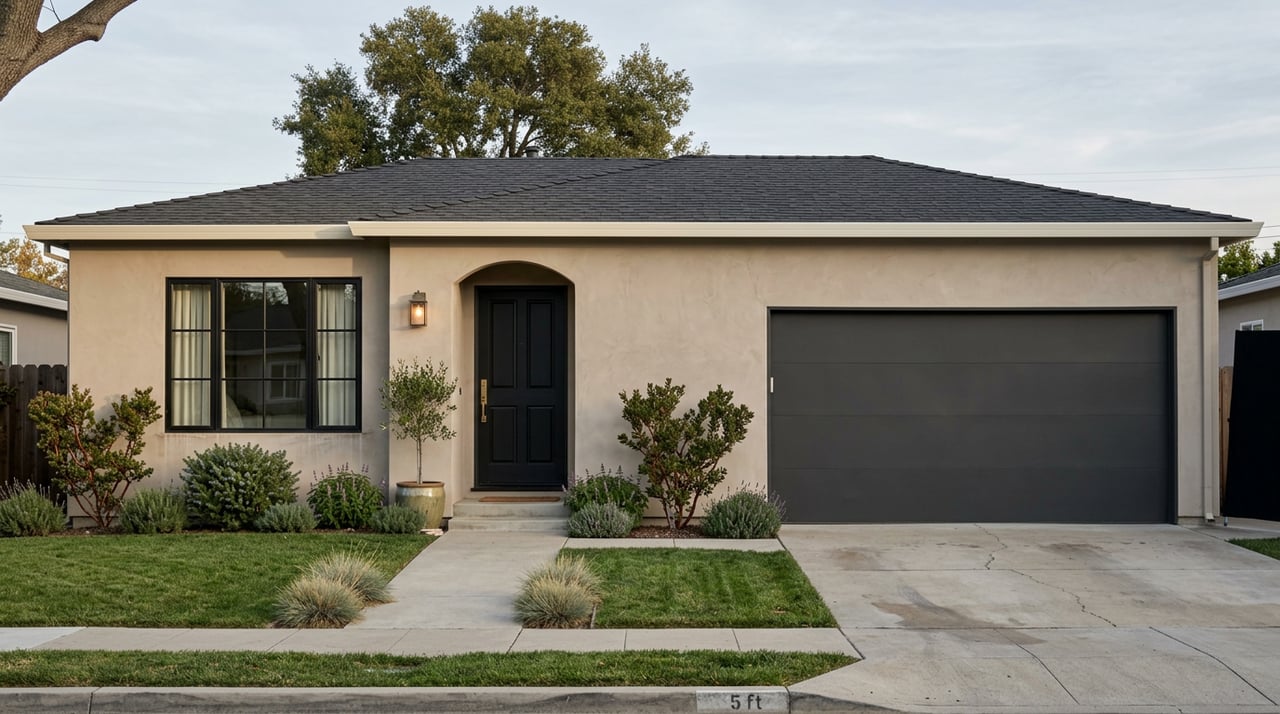
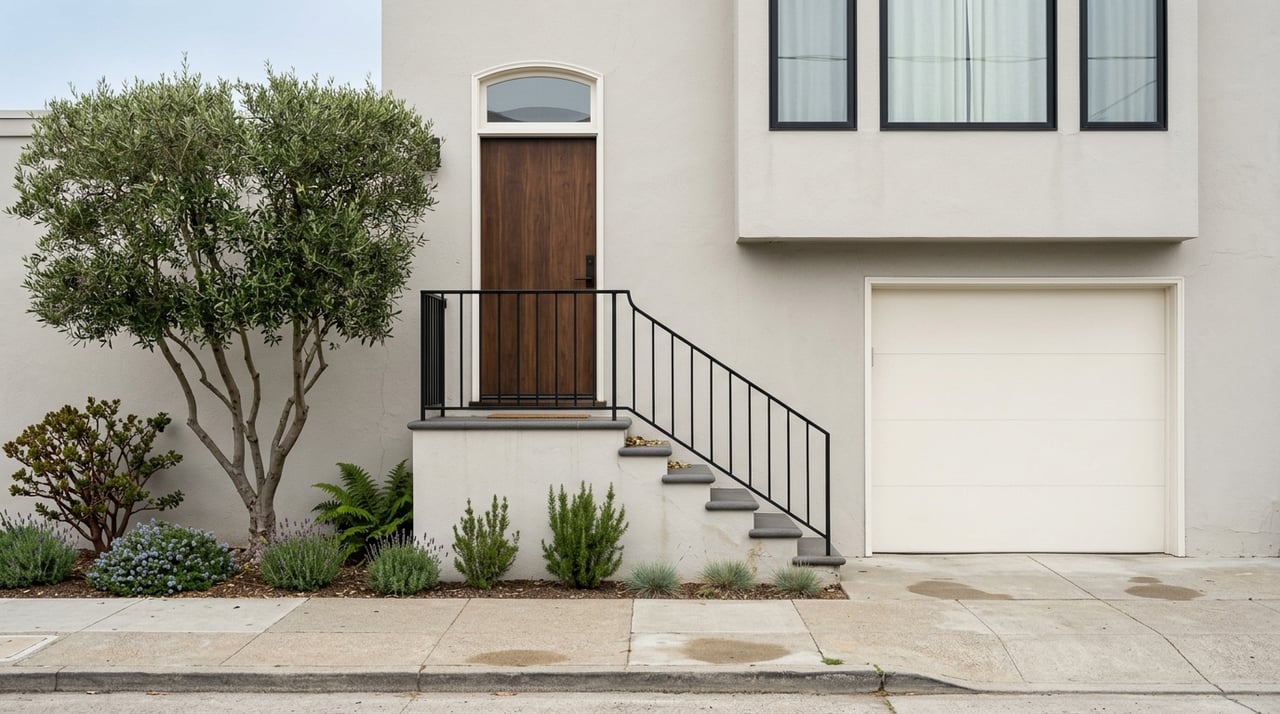
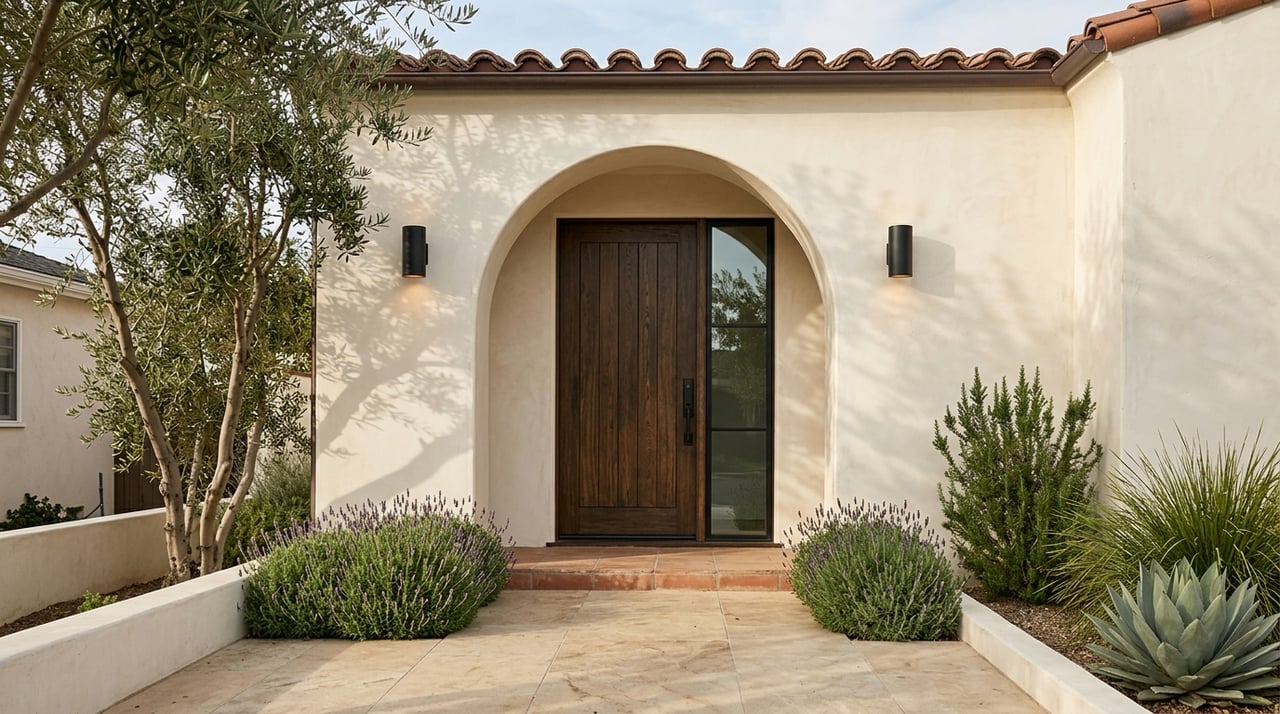
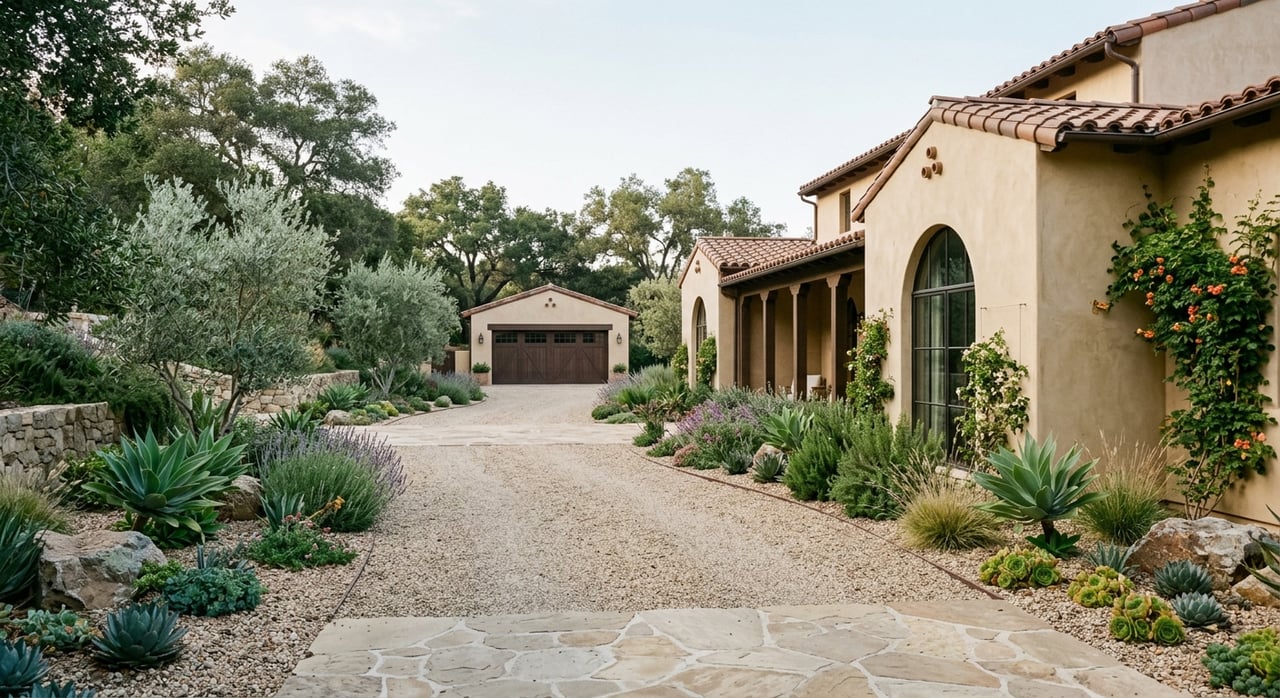
Merced Manor sits between Sigmund Stern Grove and Lake Merced, just north of the Stonestown and Parkmerced corridor. The neighborhood took shape mostly in the 1930s through the 1960s, which gives you a calm, residential feel with Spanish and Tudor revival details alongside mid‑century and split‑level homes. Zoning is primarily low‑rise residential, so most streets read as single‑family blocks with a more suburban pattern than the city core. If you plan to expand, confirm your property’s zoning and any site‑specific constraints using SF Planning’s zoning tools.
For more background on how the southwest neighborhoods developed, SF Planning’s historic documentation adds helpful context about architectural styles and neighborhood form. You can browse a representative planning packet here.
You’ll mostly find detached single‑family homes and some 2‑unit buildings from the 1930s to 1950s. Interiors range from preserved period details to full modern renovations. Larger apartment communities cluster nearby in Parkmerced, while Stonestown provides retail and services just to the south.
Lot sizes are often larger than the classic 25×100 parcels you see elsewhere in San Francisco. Many Merced Manor properties fall roughly in the 3,500 to 4,600 square foot range, which can translate to wider frontages, deeper backyards, and common 2‑car garages. Always verify the exact lot dimensions on the parcel report for the address you’re considering.
Because many homes predate modern standards, budget time for diligence. Typical items to evaluate include foundation and structure, roof age, rear‑yard drainage, sewer‑lateral condition, and whether any prior additions or garage conversions were permitted.
Neighborhood snapshots can be useful, but they move quickly in small areas like Merced Manor. Recent vendor snapshots show an average Merced Manor home value around $1.78M using the Zillow Home Value Index, while the citywide typical value trends lower in the low‑to‑mid $1M range. Treat these as directional rather than definitive, since different sources use different sample windows and methods.
What matters most for your offer is a fresh set of closed comparable sales on similar lots and from similar construction eras. Because the neighborhood is dominated by single‑family homes with broad family appeal and limited supply, pricing often behaves differently than condo‑heavy parts of the city. Your strategy should lean on recent closings, on‑the‑ground agent intel, and the level of competition the week you write.
If you want green space, you’ll find it here. Lake Merced offers a 4.4‑mile paved loop for walking and cycling, plus rowing access and adjacent public golf courses. Learn more about amenities around the lake from the SFPUC’s Lake Merced page.
Stern Grove sits right at 19th Avenue and Sloat and hosts the popular summer music festival. The grove and adjacent Pine Lake Park give the area a leafy, event‑friendly character. See the location and transit details on the SFMTA’s Stern Grove page.
Stonestown Galleria anchors retail to the south and is the subject of a long‑range plan to transform surface parking into housing, open space, and a more walkable street grid. City planning documents show sizable approvals moving forward. If you buy nearby, expect multi‑year changes to traffic, retail mix, and pedestrian amenities as phases roll out. You can review a recent Planning Commission packet on the Stonestown redevelopment.
Parkmerced, east of Merced Manor, is a large garden‑apartment complex with its own long‑running redevelopment context that intersects with transit planning for the M line. For background, see the Parkmerced overview.
For commuting, 19th Avenue is the spine. The M Ocean View light‑rail serves Stonestown and SFSU, and the corridor is slated for reliability and safety upgrades through the M Ocean View Transit & Safety Project. Balboa Park BART is the closest regional rail connection. Do expect peak‑hour traffic along 19th Avenue; some buyers prefer interior blocks for quieter living and accept a few extra minutes in the commute.
Use this quick list to focus your homework before you fall in love with a house:
Older homes deserve a careful look. Plan for:
Merced Manor tends to attract family buyers, and competition rises or falls with weekly inventory. Anchor your bid to recent closed comps and consider where your target sits in condition, lot size, and expansion potential. If you plan to add an ADU or extend the footprint, verify feasibility early using SF Planning’s zoning resources. Larger lots can open doors for value‑add projects when design, permit rules, and budget align.
If you’re a first‑time buyer, set aside reserves for immediate maintenance on older systems and prioritize offers that preserve enough flexibility for inspections or post‑offer diligence. Move‑up buyers often focus on lot utility, garage and storage, and bedroom/bath count alignment with long‑term needs.
Ready to explore homes that fit your goals and budget in Merced Manor? Connect with the neighborhood‑savvy team at Minna Real Estate for a tailored search, pricing intel, and a clear plan from first tour to closing.
Stay up to date on the latest real estate trends.
Minna Millare combines San Francisco‑native insight with investment‑savvy strategies, remodeling expertise, and a client-centered approach. Let her guide you step-by-step through California’s dynamic market, ensuring smart decisions and personalized results.