Staging A St. Francis Wood Home For Maximum Impact
June 4, 2026
June 4, 2026
If you are selling in St. Francis Wood, staging is not just about making your home look nice. It is about helping buyers quickly understand the scale, character, and care behind a property in one of San Francisco’s most distinctive residential districts. In a neighborhood where architecture, landscape, and first impressions carry real weight, a thoughtful staging plan can help your home stand out for the right reasons. Here is how to prepare your St. Francis Wood home for maximum impact. Let’s dive in.
St. Francis Wood is one of San Francisco’s largest and most fully realized residence parks, with a historic street plan, landscaped medians, uniform setbacks, and period architecture that shape how the neighborhood feels. The St. Francis Wood Historic District was listed in the National Register of Historic Places on June 30, 2022, which underscores the area’s architectural significance.
That context matters when you sell. Buyers here are often responding to more than finishes and square footage. They are also noticing façade presence, entry sequence, room proportions, and how the home fits into the surrounding streetscape.
The market also supports a polished presentation. Zillow reported an average home value of $3,794,151 in St. Francis Wood as of April 30, 2026, while Redfin reported a median sale price of $3,658,640 over the previous three months and an average of 14 days on market in April 2026. Redfin also described the neighborhood as very competitive.
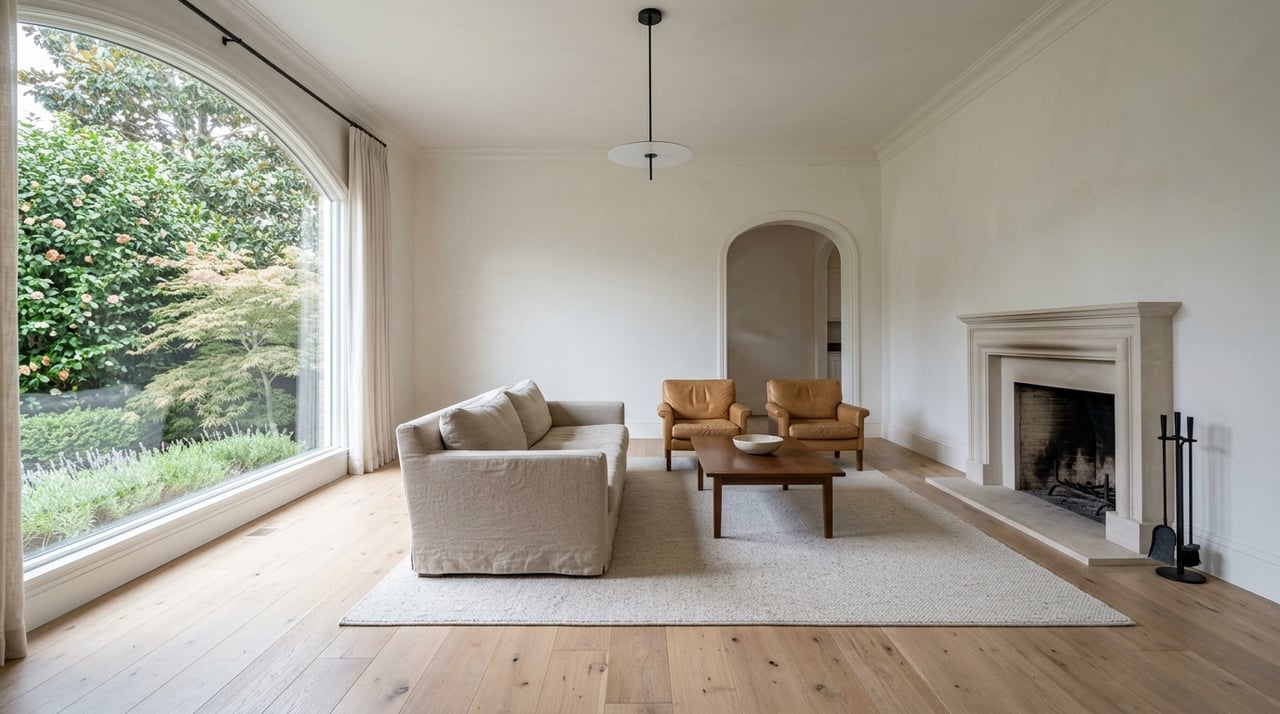
In a large historic home, more furniture does not always create more value. In fact, crowded rooms can make architectural details harder to read and can distract from the sense of flow that buyers want to feel during showings and in listing photos.
A better approach is restrained staging that supports the home’s period character. Think clean layouts, clear walkways, and furnishings scaled to the room so buyers can appreciate ceiling height, window placement, fireplaces, arches, millwork, and natural light.
This matters in St. Francis Wood because many homes reflect styles such as Mediterranean Revival, Spanish Colonial Revival, and Classical Revival. A staging plan that feels calm and visually consistent with the architecture will usually land better than one that feels trendy or generic.
According to the 2025 Profile of Home Staging from NAR, the most important rooms to stage are the living room, primary bedroom, and kitchen. That is a useful guide for any seller, but it is especially relevant in St. Francis Wood, where buyers often evaluate how graciously the main public spaces live.
Start with the rooms that help tell the clearest story about the house.
The arrival experience matters here. Because the neighborhood was designed with planted strips, terraces, and strong streetscape views, the approach to the home is part of the product.
Once buyers step inside, they should immediately understand the tone of the property. Keep the entry simple, open, and well lit so the home feels intentional from the first few seconds.
Your main living room often carries the most emotional weight. Use furniture that defines conversation areas without blocking circulation or obscuring architectural features.
If there is a formal dining room or a second sitting room, stage it only if it helps clarify how the home lives. Every staged space should answer a question for the buyer rather than create visual noise.
The kitchen does not need to look overly styled. It should feel clean, functional, and easy to maintain.
Clear counters, minimize small appliances, and keep decorative items limited. Buyers should notice workspace, storage, light, and connection to adjacent rooms.
The primary suite should feel restful and spacious. Use a simple bed setup, minimal furniture, and a neutral palette that lets the room’s size and natural light do the work.
If the suite includes a sitting area or dressing space, define it clearly only if it improves readability. Empty but purposeful is often better than fully furnished but crowded.
NAR’s seller prep data points to a practical list of improvements that agents most often recommend before listing. These include decluttering, cleaning, curb appeal, paint touch-ups, full-wall painting where needed, landscape work, minor repairs, grouting, carpet cleaning, depersonalizing, and professional photos.
In a St. Francis Wood home, these basics can have an outsized effect because buyers expect the property to feel well maintained. The first dollars usually go furthest when they remove distraction.
Focus on work that makes the home read as cared for:
These updates may sound simple, but together they create a strong signal. Buyers are more likely to focus on the home itself when they are not mentally tracking deferred maintenance.
In many neighborhoods, exterior prep is important. In St. Francis Wood, it can be even more important because the district was planned around coordinated streetscape character, front-yard depth, and landscaped public-facing elements.
That means your front garden, path, steps, hedges, and entry should feel crisp and intentional. Flashy upgrades are not the goal. Order, maintenance, and visual calm are.
Before photos or showings, check these items:
Because buyers often form a strong opinion before they even step inside, these details can shape the tone of the entire showing.
If you are considering exterior changes before listing, take a moment to confirm the review path for your property. San Francisco Planning notes that National Register listing alone does not create the local Certificate of Appropriateness process, while Article 10 resources do, and the city also has design guidelines for historic structures and districts.
The practical takeaway is simple. Verify what applies to your home before making visible exterior changes, especially anything that could affect character-defining features.
Most buyers begin online. Zillow says 94 percent of buyers in 2024 searched for homes online, and both Zillow and NAR emphasize the importance of strong listing media, including professional photos, video, and virtual tools.
For a St. Francis Wood property, digital presentation is not a finishing touch. It is a core part of the sales strategy.
Your photography should help buyers understand three things right away:
That usually means wide enough framing to show room relationships, clean natural light, and a sequence that moves logically from façade to entry to main living areas to outdoor spaces.
A strong listing package in this neighborhood often benefits from:
This kind of presentation helps serious buyers engage with the home before they schedule a tour. In a fast-moving, competitive market, that can make a meaningful difference.
If you want to keep the process manageable, break staging into simple phases. This can help you spend where it counts without over-improving.
Start by removing excess furniture, personal items, and anything that interrupts flow. Then address visible repairs, freshen paint where needed, and complete a deep clean.
Refresh landscaping, clean the front approach, and make sure the entry looks sharp in person and in photos. In St. Francis Wood, this step deserves real attention.
Focus first on the living room, primary bedroom, kitchen, and any rooms that help define the home’s layout. Avoid trying to fully furnish every square foot.
Once the home is visually ready, capture it with strong photography and video that show proportion, architecture, and setting. Good staging does its best work when the marketing reflects it clearly.
Not every St. Francis Wood home should be staged the same way. A Mediterranean Revival house, a Spanish Colonial Revival home, and a Classical Revival property may each call for slightly different styling choices, editing decisions, and photo priorities.
That is why the best staging plans are local and property-specific. When you pair neighborhood knowledge with a sharp eye for presentation, you can make strategic improvements that support value without losing the home’s identity.
If you are preparing to sell in St. Francis Wood, the goal is not to make your home look like every other listing. It is to make its architecture, layout, and setting easy for buyers to appreciate from the first photo to the final showing. For tailored advice on preparing your property, connect with Minna Real Estate.
Stay up to date on the latest real estate trends.
Minna Millare combines San Francisco‑native insight with investment‑savvy strategies, remodeling expertise, and a client-centered approach. Let her guide you step-by-step through California’s dynamic market, ensuring smart decisions and personalized results.