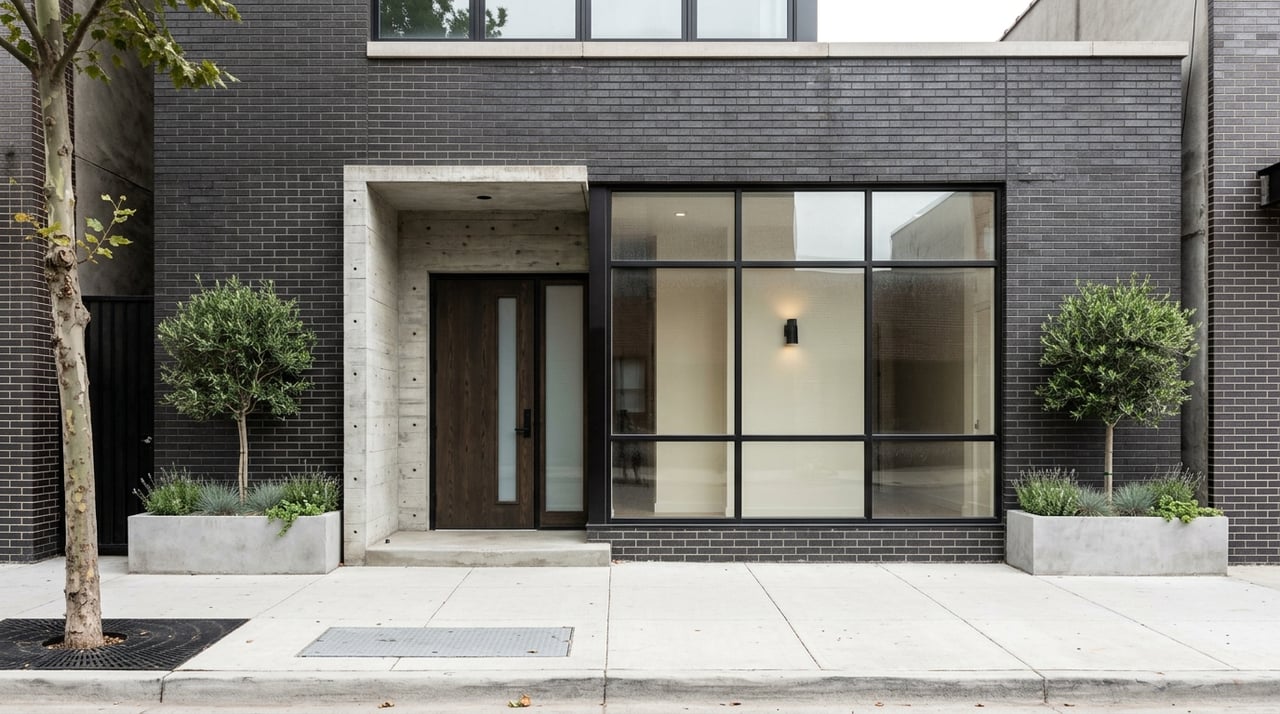
SoMa Condo or Loft Buying in San Francisco
June 25, 2026
June 25, 2026
Wondering whether a SoMa condo or loft is the smarter buy? In South of Market, that choice is rarely just about style. It is about how you want to live day to day, what tradeoffs you can handle, and how carefully you evaluate the building behind the unit. If you are weighing space, noise, transit, parking, and long-term value, this guide will help you focus on what matters most. Let’s dive in.
One of the biggest mistakes buyers make is treating SoMa like one uniform condo neighborhood. In reality, South of Market includes overlapping subareas with very different block patterns, building types, and street conditions. Depending on where you look, SoMa can include Central SoMa, East SoMa, Mission Bay, East Cut, and Rincon Hill.
That matters because your experience can change a lot from one block to the next. A unit on a major corridor may feel very different from one on a smaller alley-oriented street. In SoMa, the micro-location often matters just as much as the unit itself.
Planning documents also show that SoMa is a mixed-use district, not a purely residential one. Housing, retail, office, and production or industrial uses coexist in many parts of the neighborhood. That mix is part of the appeal, but it also shapes noise levels, privacy, and the overall rhythm of daily life.
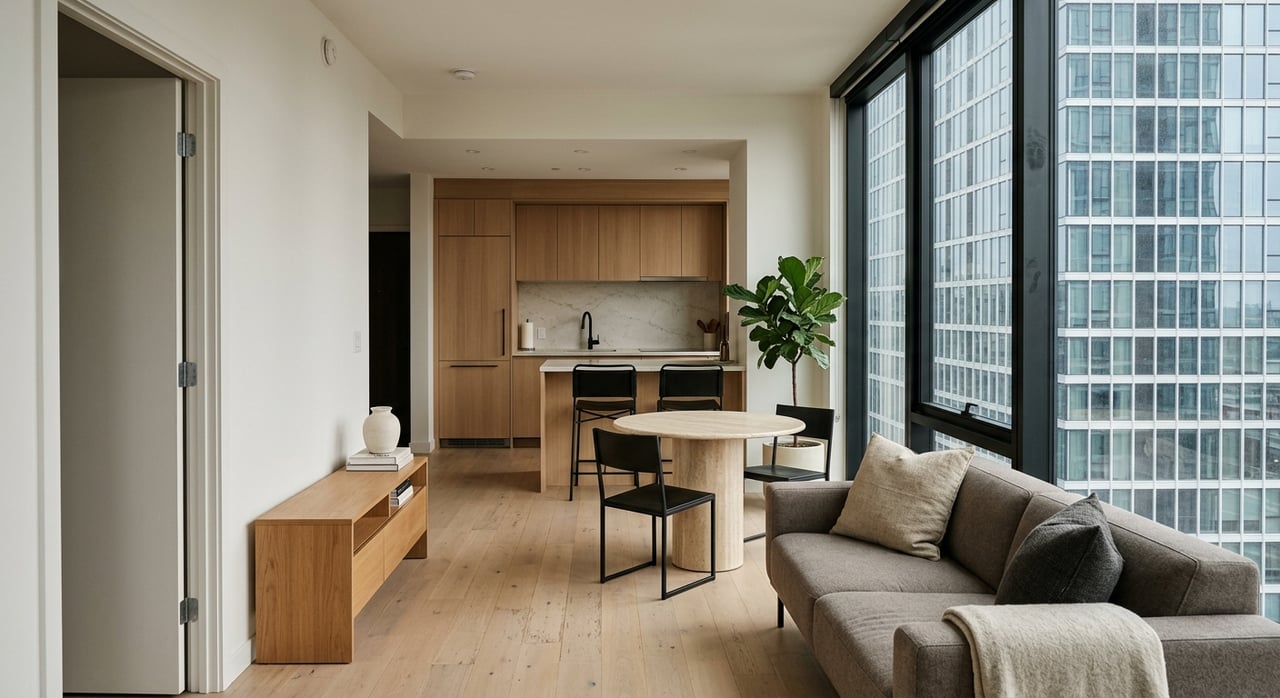
In SoMa, you will find both more standardized condo buildings and loft or live-work style homes, including converted warehouse spaces. Newer condo projects often offer a more predictable ownership and building experience. Many lofts, on the other hand, reflect SoMa’s older industrial history and can vary more from unit to unit.
That variation can be exciting if you want character, volume, or an unconventional layout. It can also mean more surprises in sound transfer, natural light, privacy, or interior flow. In SoMa, a loft may feel more unique, but it may also require more careful due diligence.
If the property is part of a common-interest development, you are not just buying the unit. You are also buying an undivided interest in the common areas, and HOA membership becomes automatic when title closes. These properties are governed by the Davis-Stirling Common Interest Development Act and managed by a formal homeowners association.
That means your purchase decision should include both the home and the HOA. Rules, financials, maintenance planning, and shared-building obligations all affect the real ownership experience. In a neighborhood like SoMa, where building types vary widely, that review is especially important.
Some lofts are part of condo structures, but the product type can still be less standardized. East SoMa planning documents note that live-work units often emerged through ad hoc warehouse-to-residential development and may be nonconforming or limited in expansion. For you, that can translate into more layout variability and less predictability than a newer condo building.
If you are drawn to exposed concrete, oversized windows, or open-plan living, that may be a feature, not a bug. Still, it is wise to look beyond aesthetics and ask how the unit performs in everyday life. Sound, storage, privacy, and heating or cooling feel different in these spaces than they do in a newer mid-rise or high-rise condo.
In California, the seller must provide a substantial set of HOA documents before closing. That includes governing documents, recent HOA records, the current regular and special assessments, unpaid charges, unresolved violation notices, any rental or leasing restrictions in the CC&Rs, requested board minutes, and the most recent inspection report.
For many SoMa buyers, this paperwork is where the real story starts to emerge. A beautiful unit can still come with building-level issues, upcoming costs, or rule restrictions that affect your plans. If you are comparing multiple properties, strong document review can save you from making a decision based on finishes alone.
Reserve funding is one of the most important things to evaluate in a condo building. Shared systems like elevators, roofs, exterior walls, plumbing, and common mechanical components can be expensive to maintain or replace. California law requires a visual reserve study at least every three years, with annual board review.
When you review a SoMa building, ask how the reserve study lines up with the building’s age and likely upcoming capital projects. A building with weak reserves may be more vulnerable to future assessment pressure. A building with stronger planning may offer more predictability over time.
If you think you may want to lease the unit in the future, do not assume that is allowed. California disclosure rules require sellers to provide any rental or leasing prohibition in the CC&Rs. That makes leasing rules a practical part of your buying decision, especially if your long-term plans may change.
In SoMa, the biggest quality-of-life differences often come from factors that do not show up clearly in listing photos. San Francisco identifies persistent community noise from transportation, construction, mechanical equipment, entertainment, and other sources as a public-health issue. Central SoMa planning materials also describe major streets as wide, heavily trafficked, and strongly shaped by car movement and freeway conditions.
For you, that means unit orientation matters a lot. A home facing a major arterial, nightlife corridor, or freeway-adjacent block may feel noticeably louder and less private than one facing a courtyard or smaller alley. In open-plan lofts with large windows, those differences can feel even more pronounced.
East SoMa planning policies also highlight the importance of preserving light and air on smaller residential alleys. That gives you a clue about what many buyers value here: some pockets of SoMa feel more residential and buffered, while others feel more exposed to the surrounding urban energy.
One of SoMa’s strongest advantages is transit access. The area is well served by BART, Caltrain, Muni Metro, and a wide network of bus routes. Caltrain’s San Francisco station at 700 4th Street and BART access near downtown are major draws for buyers who want regional connectivity.
That convenience can make SoMa especially attractive if you want to rely less on a car. It can also support long-term appeal, since the neighborhood is positioned as a transit-rich jobs-and-housing center. For many buyers, this is one of SoMa’s biggest selling points.
But if you do own a car, you need to be practical. SFMTA notes that much of the growth in eastern neighborhoods, including SoMa, will be in larger mixed-use buildings with limited or no on-site parking. That means garage access, parking lease terms, guest parking, and nearby street rules should all be part of your evaluation.
Parking can be a bigger issue if your routine depends on frequent driving, regular client visits, or weekend trips that start early or end late. In those cases, a unit with no dedicated parking may not feel like a minor compromise. It may shape your day-to-day stress level.
If daily park access matters to you, SoMa deserves a closer look on that front. Central SoMa planning documents note that there is only one outdoor recreational space inside the plan area, South Park, with nearby resources including Yerba Buena Gardens, Gene Friend Recreation Center, and Victoria Manalo Draves Park.
That does not mean SoMa lacks amenities. It means open space is more limited than some buyers expect. If you are comparing SoMa with neighborhoods that offer a quieter feel or more immediate green space, this can become an important part of the decision.
SoMa’s long-term appeal is closely tied to transit, job access, and continued redevelopment. Planning documents describe Central SoMa as a jobs-and-housing center with strong access to downtown, Mission Bay, BART, Caltrain, Muni Metro, and bus service. That framework supports the neighborhood’s relevance over time.
At the same time, redevelopment can cut both ways. New construction may bring amenities, upgraded streetscapes, and more housing choices. It can also mean nearby competition, active construction, and a faster-changing block environment.
Even in a strong location, not all buildings perform the same way. In SoMa, the block, building age, reserve health, and unit orientation can matter more than whether a listing is labeled condo or loft. A well-located unit in a well-run building may hold up better than a flashier option with weaker fundamentals.
This is where a more investment-minded lens can help. You want to understand not just what looks good today, but what may affect comfort, carrying costs, and future marketability later.
Parts of Central SoMa are low-lying and built on fill. Planning materials also note exposure to earthquake and flooding risk, which sea-level rise could worsen over time. In addition, proximity to freeway corridors contributes to higher pollution exposure in some parts of the area.
These are not reasons to rule out SoMa. They are reasons to ask sharper questions about the exact location and building. In a neighborhood with many tradeoffs, informed buyers tend to make better long-term decisions.
If you are narrowing your options, focus on the factors that shape daily life and long-term ownership:
When you weigh those factors carefully, the condo-versus-loft question becomes much easier to answer.
If you are considering a purchase in SoMa, the right strategy is to match the property to your actual lifestyle, not just the listing photos. A stylish loft might be perfect for one buyer and frustrating for another. A more conventional condo might feel less dramatic, but offer the predictability, privacy, and building stability you want.
Working through those tradeoffs with a local advisor can help you spot value and avoid expensive surprises. If you want help comparing SoMa condos, lofts, and value-add opportunities, connect with Minna Real Estate for thoughtful, neighborhood-specific guidance.
Stay up to date on the latest real estate trends.
Minna Millare combines San Francisco‑native insight with investment‑savvy strategies, remodeling expertise, and a client-centered approach. Let her guide you step-by-step through California’s dynamic market, ensuring smart decisions and personalized results.