Bernal Heights Neighborhood Guide to Homes and Daily Life
June 18, 2026
June 18, 2026
If you are thinking about living in Bernal Heights, you are probably asking a practical question: what does daily life actually feel like once the views become your normal backdrop? This San Francisco neighborhood stands out for its hills, older homes, park access, and compact local business core, but it also comes with a distinct rhythm that may fit some buyers better than others. In this guide, you will get a clear look at Bernal Heights housing, transit, amenities, and everyday lifestyle so you can decide whether it matches your goals. Let’s dive in.
Bernal Heights is a mostly residential San Francisco neighborhood centered around Bernal Hill. City materials describe the area as known for broad panoramic views, including the Bay, downtown, the Golden Gate Bridge, San Bruno Mountain, and the East Bay hills.
That hill-centered layout shapes the feel of the neighborhood. You get a strong outdoor identity, a quieter residential pattern than some denser parts of the city, and streets that can feel scenic, challenging, or both depending on where you are walking.
A big part of everyday life in Bernal Heights revolves around Cortland Avenue. Planning documents identify this stretch as the Bernal Heights Neighborhood Commercial District, and it also anchors several civic uses that make the area feel like a true neighborhood hub.
The San Francisco Public Library branch is located at 500 Cortland, and the Bernal Heights Neighborhood Center is at 515 Cortland. The neighborhood center’s programs include senior services, adult employment, youth services, and housing work, which adds to the sense that this is more than just a retail corridor.
For many residents, that means daily errands and community activities can stay close to home. The area reads as walkable in terms of destinations, though the hills can make some routes more physically demanding than the map suggests.
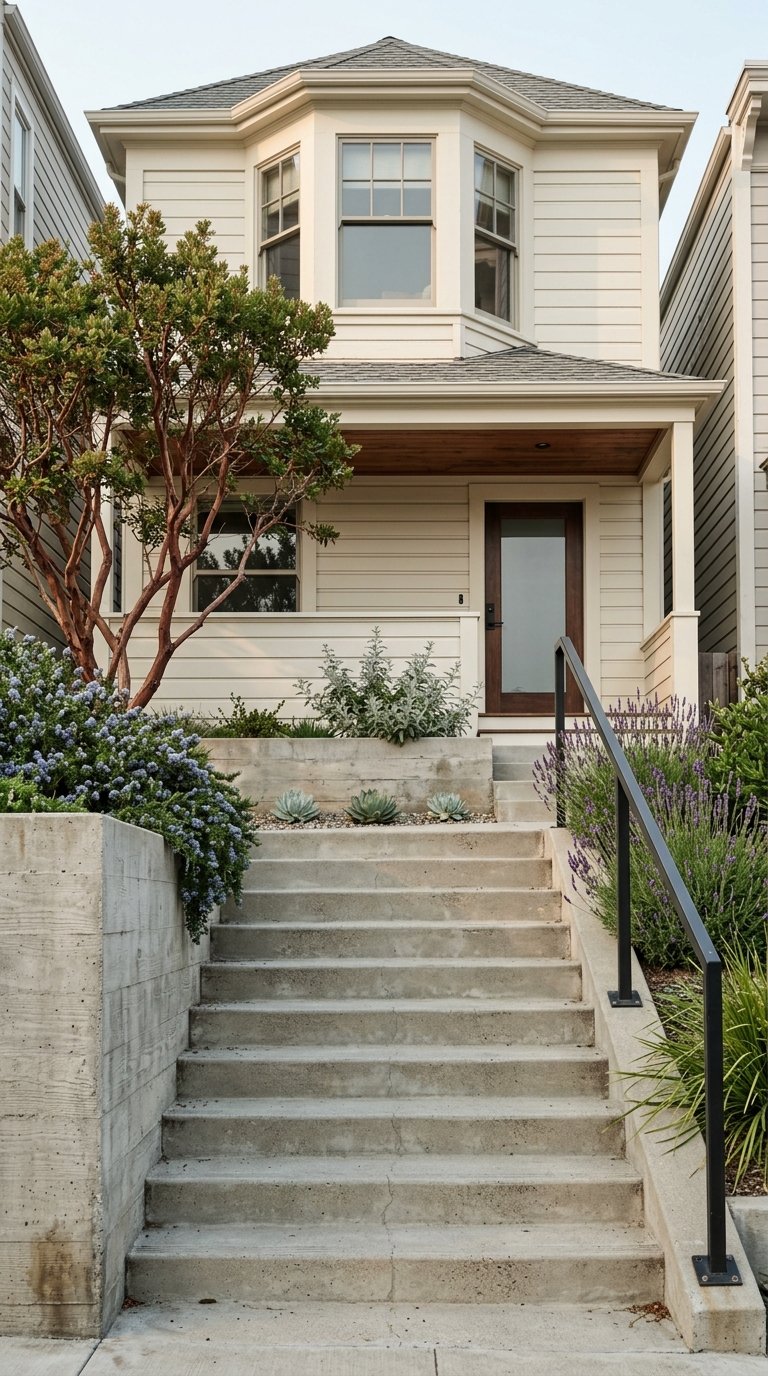
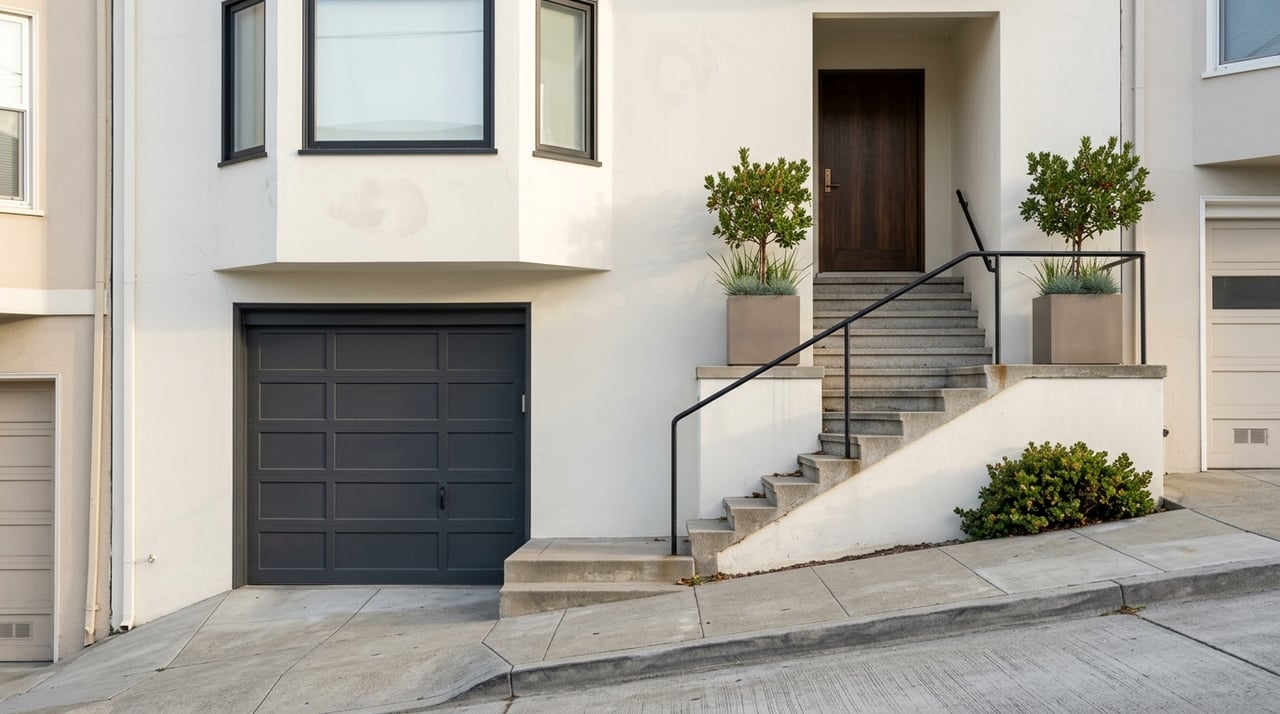
If you are drawn to older San Francisco housing, Bernal Heights may feel especially appealing. According to San Francisco Planning, the neighborhood has a median structure year of 1939, which helps explain the established, low-rise look found across much of the area.
The housing mix is still dominated by smaller-scale buildings. Planning data shows that 62% of homes are in single-family structures, while 29% are in two-to-four-unit buildings, and only 3% are in structures with 10 or more units.
Historic records and planning cases also point to cottages and Victorian-era homes as part of the neighborhood fabric. In real-world terms, that often means Bernal Heights feels less defined by towers or large complexes and more by individual homes, small multifamily buildings, and long-standing residential blocks.
Bernal Heights tends to feel relatively stable compared with areas seeing more intensive redevelopment. A city planning document estimated about 26,052 residents and 55% owner occupancy, which supports the impression of a neighborhood with a substantial base of long-term homeowners.
The pace of new housing has also been modest. San Francisco’s 2020 Housing Inventory recorded only 3 new-construction units and a net gain of 6 units in Bernal Heights that year.
That does not mean change never happens. New infill projects do exist, including the 3300 Mission project, which is adding mixed-use housing and neighborhood-serving commercial space, but large-scale transformation is not the main story here.
Outdoor space is one of Bernal Heights’ biggest strengths. Bernal Heights Park offers panoramic views, dirt trails, a paved limited-access road, and an off-leash dog area, making it a regular destination for walks, exercise, and time outside.
The park also has a reputation for staying sunny when Twin Peaks is in fog, according to Rec & Park. For buyers who care about outdoor access without leaving the neighborhood, that detail can matter more than it sounds.
Beyond the hill itself, Bernal Heights has a useful range of neighborhood parks. Holly Park includes a playground, picnic areas, a baseball field, basketball, tennis, and a renovated play space, while Precita Park offers a picnic area, playground, grassy field, and a dog-friendly atmosphere.
Together, those options create variety in everyday use. You have a hilltop park for views and trails, a park with more active recreation, and a smaller park that supports quieter neighborhood time.
Bernal Heights also stands out for having civic amenities that support daily routines close to home. The Bernal Heights Recreation Center at 500 Moultrie includes a gymnasium, basketball, community rooms, a playground, picnic space, restrooms, open gym hours, and afterschool and tot programming.
The Bernal Heights library branch adds another layer of neighborhood convenience. The branch hosts recurring storytimes, book clubs, teen events, and maintains a medium-sized Spanish-language collection.
If you are looking for a neighborhood with a self-contained feel, these details matter. They support day-to-day life in ways that go beyond home style or curb appeal.
Transit is one of the practical advantages of living in Bernal Heights. SFMTA lists the neighborhood as served by multiple Muni lines, including the J Church, 14 Mission, 24 Divisadero, 49 Van Ness/Mission, and 67 Bernal Heights.
The 67 Bernal Heights route runs daily from 6 a.m. to 10 p.m. and stops through Cortland and Bernal Heights Boulevard. That can be especially useful for getting around the neighborhood’s hills and connecting to other transit lines.
The city’s General Plan also states that Bernal Heights Boulevard should function as a recreational street with emphasis on pedestrian and bicycle use and minimal auto capacity. That reinforces the neighborhood’s people-focused, outdoor-oriented character.
For regional commuting, Bernal Heights benefits from nearby BART stations rather than having one directly in the neighborhood. The most practical options are 24th St. Mission and Glen Park.
BART lists 24th St. Mission at 2800 Mission Street. The station has no parking and is served by Muni, which fits a more walk-up and transfer-based commute pattern.
Glen Park station, at 2901 Diamond Street, is also served by Muni and includes parking and bike facilities. Depending on where you live in Bernal Heights and how you prefer to travel, one station may feel more convenient than the other.
BART’s station profile for 24th St. Mission reports that 77% of riders walk from home to the station. While that figure reflects the station area rather than Bernal Heights alone, it supports the broader idea that walk-connected transit is an important part of how many people move through this part of San Francisco.
If you want a neighborhood defined by large new developments or a highly polished high-rise environment, Bernal Heights may not be the right fit. Its appeal is more about older homes, low-rise streetscapes, local parks, and a neighborhood center that feels useful and grounded.
For many buyers, that is exactly the draw. You may appreciate Bernal Heights if you want San Francisco character, strong outdoor access, and a residential setting that still offers practical transit connections.
It can also be a compelling place to consider if you value housing with improvement potential. Because the neighborhood is known for older homes and smaller buildings, buyers and owners may find opportunities where thoughtful updates can improve daily living and long-term value.
Bernal Heights is not a one-note neighborhood. Block-to-block differences in slope, transit access, park proximity, and housing type can have a big impact on how a home lives on a daily basis.
That is why it helps to look beyond broad neighborhood labels. If you are buying or selling in Bernal Heights, you want guidance that takes into account not just price, but layout, condition, access, and the ways an older property may offer upside with the right improvements.
Whether you are looking for a single-family home, a condo, or a small multi-unit property, the best decision usually comes from matching your goals with the part of the neighborhood that supports them best.
If you are exploring Bernal Heights and want practical advice on neighborhood fit, property potential, or how to prepare a home for the market, connect with Minna Real Estate for thoughtful, local guidance.
Stay up to date on the latest real estate trends.
Minna Millare combines San Francisco‑native insight with investment‑savvy strategies, remodeling expertise, and a client-centered approach. Let her guide you step-by-step through California’s dynamic market, ensuring smart decisions and personalized results.